
Avventure selvagge nella frontiera ventosa del Madagascar: pirati, vette e mari turchesi
All’estremità settentrionale del Madagascar, dove le profonde acque blu dell’Oceano Indiano incontrano il Canale del Mozambico, sorge una delle città più affascinanti e misteriose dell’isola: Diego Suarez — ufficialmente Antsiranana.
Questo non è il Madagascar che la maggior parte dei visitatori immagina.
Una terra piena di leggende piratesche, splendore coloniale in decadenza, spiagge spettacolarmente curve, montagne coniche e coste frastagliate modellate da secoli di alisei. Sebbene gran parte del Madagascar sembri antica e africana o austronesiana, Diego ha un’atmosfera curiosamente cosmopolita — metà base navale francese, metà avamposto insulare, metà regno nautico perduto nel tempo.
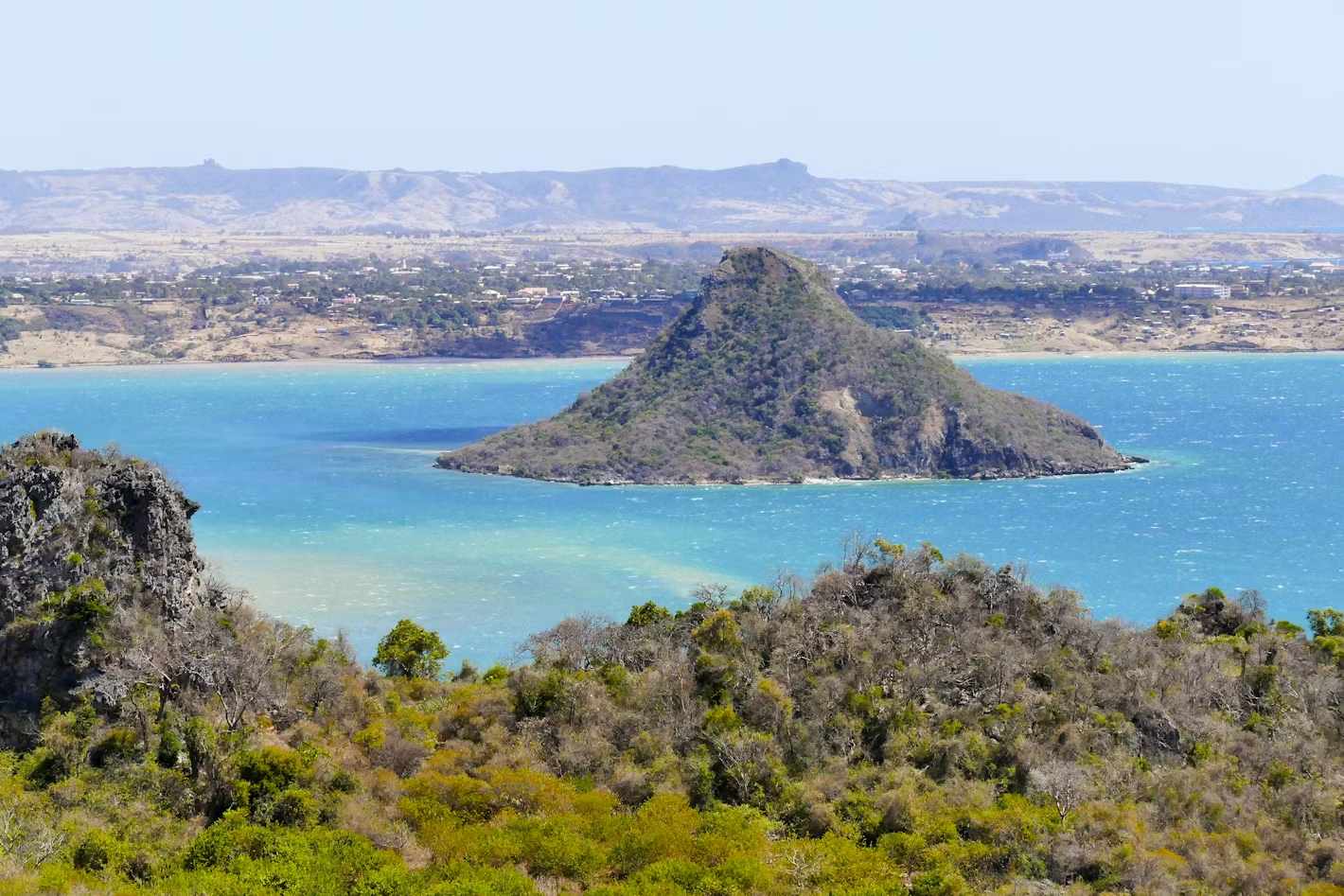
La città si adagia lungo una baia oceanica di smeraldo scintillante, protetta a est dal Pan di Zucchero, una delle montagne più famose al mondo. A pochi chilometri, il paesaggio si trasforma radicalmente: la foresta pluviale lascia il posto a valli di baobab, il calcare frastagliato emerge dal suolo e spiagge bianche infinite si fondono in lagune turchesi.
Diego Suarez è uno dei più grandi tesori del Madagascar per i viaggiatori intrepidi in cerca di storia e paesaggi senza eguali nell’Oceano Indiano.
Una città forgiata dal mare
Tutto inizia con la geografia di Diego Suarez. Per secoli, il suo vasto e protetto ancoraggio ne ha fatto uno dei porti più strategicamente vitali dell’Oceano Indiano. Questa straordinaria baia è stata contesa da marinai, commercianti e pirati.
Lo strano nome della città risale a due navigatori portoghesi dell’inizio del XVI secolo. Nel 1500, l’esploratore Diogo Dias, fratello di Bartolomeu Dias, fu deviato dalla rotta verso l’India e divenne uno dei primi europei ad avvistare il Madagascar. Circa due anni dopo, l’ammiraglio Fernão Soares gettò l’ancora nella grande baia del nord. A poco a poco, i cartografi europei fusero i loro nomi per creare il nome che sarebbe apparso sulle carte utilizzate dalle navi che viaggiavano tra Africa, Arabia e Asia: Diego Suarez.
Nulla incarna il romanticismo di Diego Suarez come la leggenda di Libertalia. La leggenda marinaresca racconta che alla fine del XVII secolo, un equipaggio di pirati ribelli guidato dal capitano Misson e da un prete italiano, Caraccioli, stabilì un’utopia pirata vicino a uno degli ancoraggi nascosti della baia. Questa comunità avrebbe rinunciato alla monarchia, alla schiavitù e ai rigidi sistemi di caste. Pirati di ogni tipo vivevano in condizioni di parità, governati dalla democrazia, saccheggiando navi per l’impero mentre sognavano in segreto una società libera dagli europei.
Libertalia è nota in parte attraverso un passaggio di una nave mercantile a tre alberi, e gli storici discutono ancora sulla veridicità della sua esistenza o se si trattasse di una forma di espediente letterario possibilmente legato a Daniel Defoe. Ma a Diego Suarez, il mito sembra quasi vivo. Un paesaggio costiero punteggiato da ancoraggi segreti e insenature nebbiose invita l’immaginazione a indugiare su come le navi piratesche potessero essersi infilate discretamente nella nebbia.
L’era coloniale francese ha lasciato un’impronta profonda nella Diego Suarez moderna. La Francia vide il potenziale di una base navale e di una stazione carboniera qui alla fine del XIX secolo, riconoscendone l’importanza strategica. Il porto assopito divenne uno dei porti militari chiave della Francia nell’Oceano Indiano, con ampi viali e lussuose ville di epoca coloniale, insieme ad arsenali ed edifici amministrativi.
Resti di quell’epoca sono visibili ovunque, ancora oggi: facciate coloniali ancora in gran parte intatte ma scolorite, antiche caserme, balconi in ferro, hotel con persiane e viali alberati lungo il porto. La grandeur consumata della città — malconcia ma suggestiva.
Fu la Seconda Guerra Mondiale a riportare Diego Suarez sulla scena mondiale. Nel 1942, la Gran Bretagna temeva che i sottomarini giapponesi potessero usare il Madagascar, controllato da Vichy, come base per attaccare le rotte di rifornimento alleate attraverso l’Oceano Indiano. Per questo lanciò l’operazione Ironclad, il primo assalto anfibio significativo delle forze britanniche dai tempi di Gallipoli. Le forze alleate catturarono Diego Suarez e il porto dopo diversi giorni di combattimenti intensi. Quella campagna è ancora ricordata oggi da rovine militari e dal cimitero di guerra del Commonwealth.
Quando il Madagascar ottenne l’indipendenza nel 1960 e la Francia ritirò le sue forze negli anni ’70, Diego Suarez perse gran parte della sua importanza strategica e militare. Mentre il porto un tempo animato cominciava ad assopirsi, gli edifici coloniali crollarono per l’umidità tropicale e i venti marini, i binari ferroviari arrugginirono e il commercio declinò. Ma questo declino salvò anche la città. Invece di trasformarsi in una elegante località turistica, Diego è reale, vissuta — un crogiolo di tribù Antankarana e Sakalava che convivono con coloni indiani, comoriani, arabi e francesi. È meravigliosamente imperfetta.
Atmosfera unica e forme estreme
Arrivare a Diego Suarez è una sorpresa per molti viaggiatori. È una città più luminosa di Antananarivo o di qualsiasi altra città malgascia. Il ritmo di vita rilassato e il clima tropicale sono sostenuti da strade larghe, viste costanti sul mare e un aliseo relativamente mite noto come Varatraza.
Vicino ad Antsiranana, una diversità estrema di paesaggi è concentrata in una piccola area. In un solo giorno, puoi attraversare le fresche foreste nuvolose della Montagna d’Ambra, nuotare nelle acque elettriche del Mare Smeraldo, percorrere le pianure aride costellate di baobab per scoprire i canyon di calcare e i tsingy di Ankarana, vedere i kitesurfisti tracciare nell’azzurro iridescente della Baia di Sakalava, e concludere con frutti di mare freschi o cucina di ispirazione francese con vista sul porto. Alcuni dei paesaggi più selvaggi e contrastanti del Madagascar si incontrano a Diego Suarez.
Esplorare la città di Antsiranana
La città stessa merita di essere esplorata prima di avventurarsi nella natura che la circonda. L’architettura coloniale si affianca alle case malgasce, ai caffè, alle piccole botteghe e alle bancarelle del mercato lungo la Rue Colbert, il viale principale. Qui si trovano l’eredità dell’antica città navale francese e la vita attiva di un porto del nord del Madagascar.
Il mercato coperto è un’esplosione di colori e profumi: vaniglia, chiodi di garofano, pepe rosa, ylang-ylang e pepe nero del Madagascar, frutta tropicale e pesce appena sbarcato. È rumoroso, vivace e indimenticabile. Se ti trovi su Place Joffre, con vista sul porto, puoi distinguere l’ampia baia, le gru arrugginite e le navi immobili — testimonianze fisiche dell’epoca in cui Diego Suarez era un importante crocevia militare e mercantile.
Nel frattempo, abitanti e turisti si spostano in colorati bajaj (tuk-tuk) che sfrecciano tra le strade secondarie e i grandi viali. Economici, utili e rumorosi, sono diventati parte integrante della personalità della città.
Parco Nazionale della Montagna d’Ambra
Il Parco Nazionale della Montagna d’Ambra è letteralmente come visitare un altro pianeta, a soli una quarantina di chilometri a sud di Diego Suarez. Si eleva a quasi 1.500 metri, riuscendo a umidificare le nuvole che lo raggiungono e creando il suo proprio microclima più fresco e umido sopra le pianure aride.
I pendii sono ricoperti di foresta pluviale, dove i sentieri passano sotto una fitta volta di felci arboree e orchidee avvolte tra tronchi ricoperti di muschio e liane rampicanti. La foresta sembra pietrificata, quasi giurassica.
La Montagna d’Ambra è uno dei migliori luoghi del Madagascar per vedere i camaleonti — dai minuscoli camaleonti foglia che si mimetizzano perfettamente nella lettiera di foglie ai spettacolari camaleonti pantera. È anche la casa di vari lemuri del nord, specialmente al mattino e al tramonto: lemuri coronati e lemuri bruni di Sanford.
Fiumi di acqua cristallina si precipitano tra rocce vulcaniche scure formando piscine cristalline, bordate di felci e vegetazione stillante, con cascate come la Cascata Sacra e la Grande Cascata. L’aria fredda combinata con la nebbia rende l’esperienza quasi giurassica.
Le Tre Baie (Les Trois Baies)
Un eccellente percorso stradale a est di Diego Suarez ci porta alle Tre Baie, un’altra escursione classica. La strada serpeggia gradualmente tra baobab sparsi, macchia secca e piccoli villaggi di pescatori prima di aprirsi sull’oceano.
La prima baia, la Baia di Sakalava, è aperta, ventosa e poco profonda, protetta da una barriera corallina. Gli alisei costanti e le acque turchesi piatte ne hanno fatto il luogo più noto del Madagascar per il kitesurf. La lunga sabbia pallida, il mare blu brillante e gli aquiloni colorati che disegnano traiettorie sopra la laguna sono così complementari da sembrare fittizi.
Più avanti, la Baia di Pigeon è una caletta più piccola e isolata, ideale per nuotare e giocare sulla sabbia. Ancora più oltre si trova la Baia di Dune, una lunga distesa di sabbia fiancheggiata da dune modellate e punte rocciose. L’acqua qui è così limpida (probabilmente una delle più limpide del nord del Madagascar) che, combinata con la luce sulla sabbia, le rocce e l’acqua, specialmente al tramonto, crea un paesaggio costiero dei più fotogenici.
Antiche fortificazioni francesi lungo la scogliera vegliano ancora sull’ingresso della baia vicino a Cap Miné, con praterie, postazioni di cannoni e posti di osservazione circondati da arbusti in un’area poco popolata. Queste rovine, lentamente riconquistate dalla vegetazione, sono testimoni silenziosi della posizione strategica di Diego Suarez durante l’epoca coloniale e la Seconda Guerra Mondiale.
Il Mare Smeraldo (Mer d’Émeraude)
Uno dei paesaggi marini più iconici del Madagascar, il Mare Smeraldo, si estende al largo del villaggio di pescatori di Ramena, a nord-est della baia principale di Antsiranana. Questa immensa laguna, protetta dal mare agitato da una barriera di barriera corallina e banco di sabbia, è incredibilmente poco profonda e riflette straordinarie sfumature di azzurro pallido, giada e smeraldo sotto il sole tropicale.
Barche in legno tradizionali e piccole imbarcazioni a motore partono da Ramena la mattina presto per attraversare la baia verso una serie di piccoli isolotti di sabbia in mezzo alla laguna. Il mondo qui si riduce ad acqua, vento e luce. I visitatori trascorrono la giornata nuotando in acque incredibilmente trasparenti, facendo snorkel su giardini di corallo e pesci di barriera, provando il kitesurf o semplicemente rilassandosi sulla sabbia all’ombra improvvisata.
Il pranzo è spesso cucinato direttamente sulla spiaggia da pescatori locali che grigliano pesce appena pescato, granchi e talvolta aragosta, insieme a riso al cocco. Mangiare così, a piedi nudi sulla sabbia, senza nulla all’infuori di mare e cielo, diventa per molti viaggiatori uno dei ricordi più indelebili di Diego Suarez.
Montagna Francese (Montagne des Français)
La Montagna Francese (840 piedi o 256 metri) si eleva sulla riva orientale della baia e offre una facile escursione vicino alla città. La foresta secca e la macchia di questo massiccio calcareo offrono alcune delle migliori viste su Antsiranana e il suo porto.
Il percorso in salita attraversa profusioni di spine, rocce pallide e i resti croccanti delle fortificazioni militari francesi che proteggevano la baia da un’invasione terrestre. Il panorama si svela gradualmente man mano che si sale: tetti rossi e gru portuali si aprono sulla città, poi l’ampia forma della baia a contorno di trifoglio e il Pan di Zucchero, una piramide circondata dall’acqua.
Il panorama, specialmente al tramonto, è davvero magnifico dalle terrazze superiori. La luce sul mare è dorata, le colline sono sagome nere e l’intera baia assomiglia a un gigantesco anfiteatro naturale.
Sulla Montagna Francese si trova anche la specie di baobab endemica e minacciata Adansonia suarezensis, strettamente endemica del nord del Madagascar. Questi alberi enormi e nodosi si aggrappano a scogliere e pareti rocciose, dando al paesaggio una strana sensazione di dramma.
Parco Nazionale dell’Ankarana e Tsingy Rossi
Il Parco Nazionale dell’Ankarana è la prossima destinazione del nostro itinerario, sulla strada per i Tsingy Rossi.
Poco più avanti sulla RN6, il Parco Nazionale dell’Ankarana conserva una delle geologie più straordinarie del Madagascar. I tsingy rappresentano un labirinto di aghi di calcare affilati come coltelli, erosi per milioni di anni dal vento e dall’acqua. Questi tsingy grigi, che contrastano con le fitte foreste di pietra screpolate e solcate da canyon, si elevano ad Ankarana.
Questo paesaggio, punteggiato da enormi lastre di calcare che si elevano in muri pieni di file di bordi affilati e doline, è accessibile a piedi: percorrendo tra le scogliere, camminando su ponti costruiti per superare gli abissi. Sotto si trova uno dei più grandi sistemi di grotte dell’Africa, con fiumi sotterranei, enormi camere, pipistrelli e corridoi nascosti. Secondo le leggende locali, negli angoli più bui vivrebbero ancora coccodrilli.
La fauna è abbondante: lemuri, rettili e uccelli rari o endemici si sono adattati al terreno scosceso di roccia e foresta secca del parco.
Un’altra formazione molto diversa si trova tra Diego Suarez e il parco: i Tsingy Rossi. Invece del calcare, i toni profondi dell’arenaria rossa e rosa sono stati scolpiti in una foresta quasi fiabesca, con delicate guglie e creste che si elevano dal suolo come pilastri, pinne o vele. Al tramonto, i colori diventano arancioni scuri e cremisi, come se si stesse guardando un altro pianeta.
Nosy Hara e Circo della Baia del Courrier
A est di Diego Suarez, di fronte al Canale del Mozambico, l’arcipelago di Nosy Hara e la Baia del Courrier costituiscono una delle aree costiere più selvagge del nord del Madagascar. Scogliere di calcare si elevano direttamente dall’acqua in forme drammatiche che ricordano il sud-est asiatico, ma con la luce e la fauna chiaramente malgasce.
Le infrastrutture turistiche qui rimangono minime. La maggior parte delle escursioni si svolge in piccoli gruppi, con campeggio su spiagge remote sotto un cielo stellato incontaminato. L’isola, con poco sviluppo, offre una vera sensazione di spedizione.
Le sue acque circostanti proteggono alcune delle migliori barriere coralline del Madagascar, e ospitano numerose tartarughe marine, razze e grandi banchi di pesci tropicali, rendendo l’arcipelago un eccellente luogo per snorkeling o immersioni libere. Nosy Hara è anche noto come la casa di uno dei più piccoli rettili del mondo, il minuscolo camaleonte che sta sulla punta di un dito: Brookesia micra. E le stesse scogliere dell’isola sono diventate una destinazione per gli scalatori internazionali che aprono vie su queste pareti di calcare vergine sul mare.
Informazioni pratiche
- Periodo migliore per visitare: settembre–novembre (stagione secca); giugno–ottobre per kitesurf e vela
- Clima: Tropicale con stagioni secche (aprile–novembre) e umide (gennaio–marzo) ben distinte; possibili cicloni in stagione delle piogge
- Accesso: Volo domestico da Antananarivo ad Antsiranana, o via terra attraverso la spettacolare RN6
- Spostamenti: Bajaj (tuk-tuk), veicoli 4×4 a noleggio o visite guidate
Conclusione
Diego Suarez rimane oggi una frontiera — dipanando due mondi. Dove le leggende piratesche risuonano ancora nei porti remoti, dove le città antiche si adagiano tra le palme fitte, e la natura si mostra feroce e indomita ovunque. Al mattino galleggerai in lagune blu elettrico, per scalare tra baobab e calcare nel pomeriggio, guardando il sole tramontare dietro uno dei grandi porti naturali del mondo. Più si va verso nord, meno le cose sono frequentate, finché la strada finalmente si dissolve e l’avventura ha inizio.