East Coast
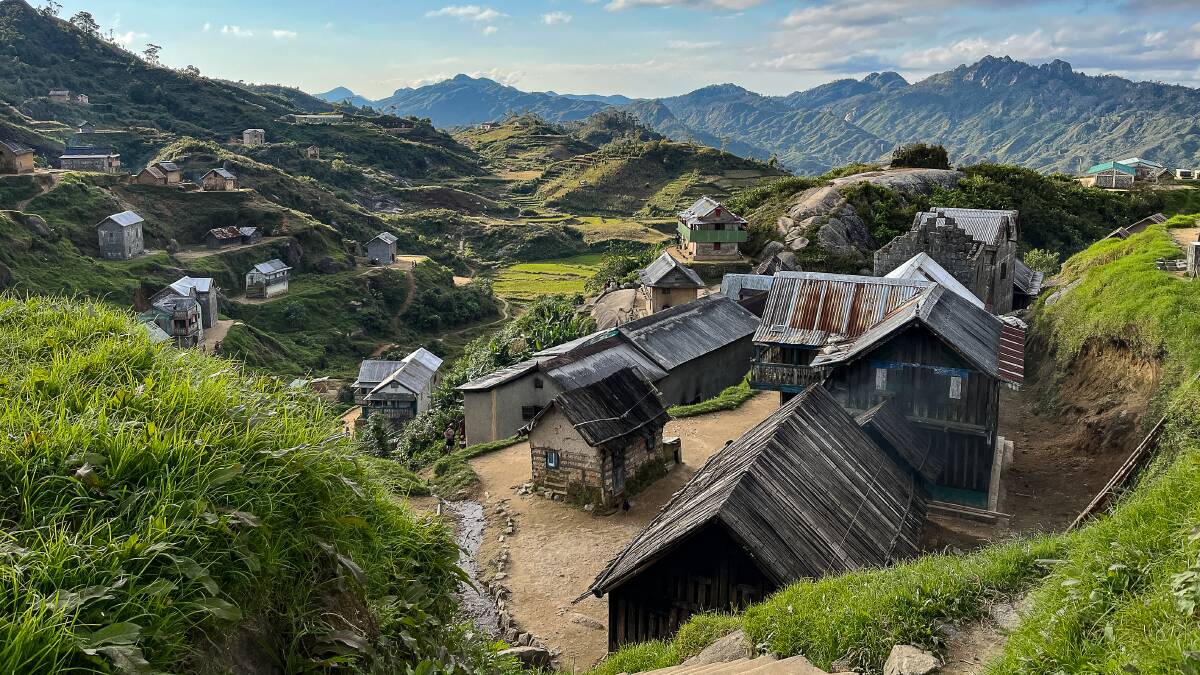
Best period: August to DecemberThe east is Madagascar’s wettest region, with rain possible throughout the year. Andasibe, Palmarium, Sainte Marie and the Pangalanes Canal are green, humid and full of life.
Madagascar is a large island with very different climates from one region to another. While rain may fall on the east coast, the southwest beaches can enjoy sunshine. The best time to visit depends on where you want to go and what you want to experience.
Each month, a different MadagascarFor most classic Madagascar itineraries, April to November is the most reliable period. Roads are usually easier, parks are accessible and wildlife viewing is excellent. March and December should not be dismissed: with the right itinerary, they can be rewarding, quieter and very beautiful.
The east is Madagascar’s wettest region, with rain possible throughout the year. Andasibe, Palmarium, Sainte Marie and the Pangalanes Canal are green, humid and full of life.
The north includes Diego Suarez, Amber Mountain, Ankarana and the coastal regions around the far north. From April to December, conditions are generally very good.
Nosy Be has its own microclimate and is often drier than many travellers expect. It can offer warm seas, beach days and island excursions during much of the year.
The south is Madagascar’s driest region. RN7 parks such as Ranomafana, Anja, Isalo and Zombitse can generally be visited from March onward.
The west includes Morondava, Kirindy, the Avenue of the Baobabs and Tsingy de Bemaraha. This is the region where the dry season matters most.
The highlands include Antananarivo, Antsirabe, Ambositra and the Zafimaniry region. March to December is generally suitable, with pleasant days and cooler nights.
January is part of the rainy season, so it is not the easiest month for a first trip across the whole country. With a carefully planned itinerary, it can still offer lush scenery, flowering orchids and very few visitors.
February is usually the least ideal month because storms can affect parts of the island. If you must travel, the route should remain simple and focused on areas with better chances of stable weather, especially selected southern sections.
March is underrated. Rainfall often drops sharply compared with February, sometimes by 60 to 70 percent. RN7 parks such as Ranomafana, Anja, Isalo and Zombitse can generally be visited, and the southwest beaches can already be very pleasant.
April is when Madagascar opens up again for most travellers. Vegetation is fresh, parks are accessible and temperatures are comfortable. It is a very good month before the busier holiday season.
May is one of the best balanced months. The dry season is settling in, humidity is lower and many routes are in good condition. It is excellent for hiking, wildlife and private tours across several regions.
June offers excellent conditions across much of Madagascar. It is usually dry and not yet as busy as July and August. The west, south and north are generally very rewarding, while highland evenings can be cold.
July is one of the strongest months. The weather is generally dry, the parks are accessible and humpback whales begin to arrive around Sainte Marie and along parts of the southwest coast. Early booking is recommended.
August is peak season, and for good reason. Whales are present, wildlife is active and most major routes are working well. It is superb for national parks, river journeys, the west, the north and the south.
September is one of the best months overall. The weather is excellent in many regions, holiday crowds reduce and wildlife activity increases. It is perfect for birds, the Tsingy, Baobab Avenue, beaches and marine experiences.
October is perhaps the best month for wildlife lovers. Baby lemurs begin to appear, birds are active, reptiles are easier to see and night walks can be excellent. The weather is warm and most regions are accessible.
November is warm and lively. First rains may begin, especially later in the month, but landscapes become greener and wildlife remains very active. Birdwatching is excellent, and the west, south and Nosy Be are often strong choices.
December begins the rainy season, but it should not automatically be excluded. The first half of the month can work well with a smart itinerary. Orchids begin to bloom, wildlife is active, and the north, Nosy Be, RN7 and southwest beaches can remain attractive.
Madagascar is one of the world’s most rewarding birdwatching destinations, with more than 100 endemic bird species. Birding is possible throughout the year, but September to December is often especially productive, when many species are breeding, vocal and easier to locate.
Madagascar is home to a remarkable diversity of orchids, many of them endemic. Flowering is especially interesting from December to April, after the first seasonal rains, particularly in rainforest regions such as Andasibe, Ranomafana, Palmarium and Masoala.
Sainte Marie is the classic whale destination from July to September, when humpback whales arrive in the channel between the island and the mainland. Humpback whales can also be seen along much of the southwest coast, from Belo sur Mer south through Morombe, Salary, Andavadoaka, Ambatomilo, Anakao, Ifaty, Toliara and as far as Beheloka.
Nosy Be is Madagascar’s best-known area for whale sharks, especially from September to December. Sea turtles, reef fish and dolphins can be encountered around Nosy Sakatia, Nosy Tanikely and the surrounding islands during much of the year.
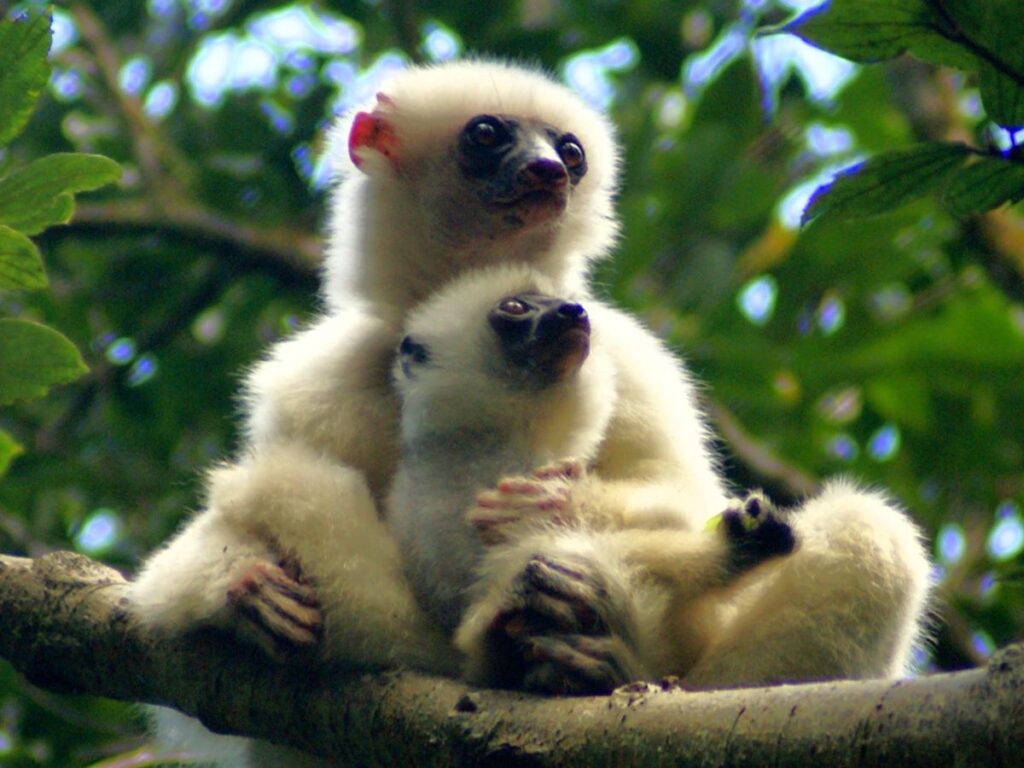
October to December is one of the most exciting periods for wildlife lovers. Many lemur species give birth during this period, and visitors often see mothers carrying newborns in the forests.
Tell us your dates and the regions you want to visit. We will help you build a realistic Madagascar itinerary according to the season.
Start planning