
La maggior parte dei viaggiatori arriva su Nosy Be pensando soprattutto alle spiagge. Esistono, certo. Acqua calda, piroghe tirate direttamente sulla sabbia, e tramonti che svuotano lentamente i bar e i ristoranti verso la riva ogni sera. Ma dopo qualche giorno, l’isola inizia a sembrare meno una perfetta cartolina tropicale e più un mix di villaggi di pescatori, vecchi edifici coloniali, piantagioni profumate e piccole isole sparse al largo.
C’è movimento ovunque. Navi da carico vicino a Hell‑Ville, oggi chiamata per lo più Andoany. Scooter che sfrecciano tra le carriole. L’odore del pesce alla griglia mescolato all’ylang‑ylang quando l’umidità sale nel tardo pomeriggio.
L’isola rimane viva oltre il turismo – ed è probabilmente per questo che molti finiscono per rimanere più a lungo del previsto.
La maggior parte dei viaggiatori soggiorna nei pressi di Ambatoloaka, Madirokely o più a nord verso Andilana. Ambatoloaka è più vivace la sera, con bar e ristoranti sulla spiaggia. Andilana è più tranquilla e probabilmente ha una delle spiagge più belle dell’isola principale.
Ma ciò che rende davvero speciale Nosy Be si trova soprattutto al largo.
Breve storia
Molto prima del turismo, Nosy Be occupava già un posto importante sulla costa nord‑occidentale del Madagascar. L’isola era un tempo chiamata Nosy Manitra, l'”isola profumata”, e faceva parte dei regni Sakalava che controllavano le rotte commerciali del canale del Mozambico.
Le tradizioni Sakalava rimangono molto presenti oggi, soprattutto intorno ai fady, i tabù legati ai luoghi sacri. In diversi villaggi si continuano a praticare cerimonie di tromba.
I francesi presero ufficialmente possesso dell’isola nel 1841 e svilupparono vaste piantagioni di zucchero, caffè, cacao, vaniglia e soprattutto ylang‑ylang, i cui fiori divennero essenziali per l’industria dei profumi. Il soprannome “isola dei profumi” risale a questo periodo, e alcune sere umide permettono ancora di capire immediatamente il perché.
Antiche case coloniali rimangono all’interno dell’isola, talvolta mezze coperte dalla vegetazione tropicale. Anche Hell‑Ville conserva ancora tracce visibili di questo periodo.
Dopo l’indipendenza del Madagascar nel 1960, il turismo ha gradualmente sostituito l’agricoltura come attività principale. Nonostante ciò, Nosy Be conserva ancora qualcosa di piuttosto grezzo. Interruzioni di corrente, strade allagate dopo le piogge e ristoranti senza pesce perché le barche non sono tornate.
Nessuno sembra particolarmente stressato per questo, però.
Quando andare
Da aprile a novembre rimane generalmente il periodo migliore per visitare Nosy Be. Tempo più asciutto, mare più calmo e condizioni migliori per lo snorkeling e le immersioni.
Tra giugno e settembre, le balene megattere migrano attraverso il canale del Mozambico.
Tra settembre e dicembre, le acque intorno a Nosy Be diventano uno dei migliori posti del Madagascar per avvistare gli squali balena.
Imperdibili
Nosy Komba rimane l’escursione classica da Nosy Be, con i suoi lemuri neri, i villaggi e i sentieri ripidi.
Nelle vicinanze, Nosy Tanikely è famosa per le sue barriere coralline, l’acqua cristallina e l’eccellente snorkeling con pesci tropicali e tartarughe marine.
La Riserva di Lokobe protegge l’ultimo frammento di foresta primaria di Nosy Be. Caldo umido, fango e guide in grado di individuare camaleonti invisibili a tutti gli altri.
Più lontano, Nosy Iranja è probabilmente il luogo più fotografato del Madagascar, grazie al suo enorme banco di sabbia bianca visibile con la bassa marea.
Per i viaggiatori in cerca di maggiore tranquillità, Nosy Sakatia e l’arcipelago di Nosy Mitsio offrono un’atmosfera più silenziosa e un eccellente diving.
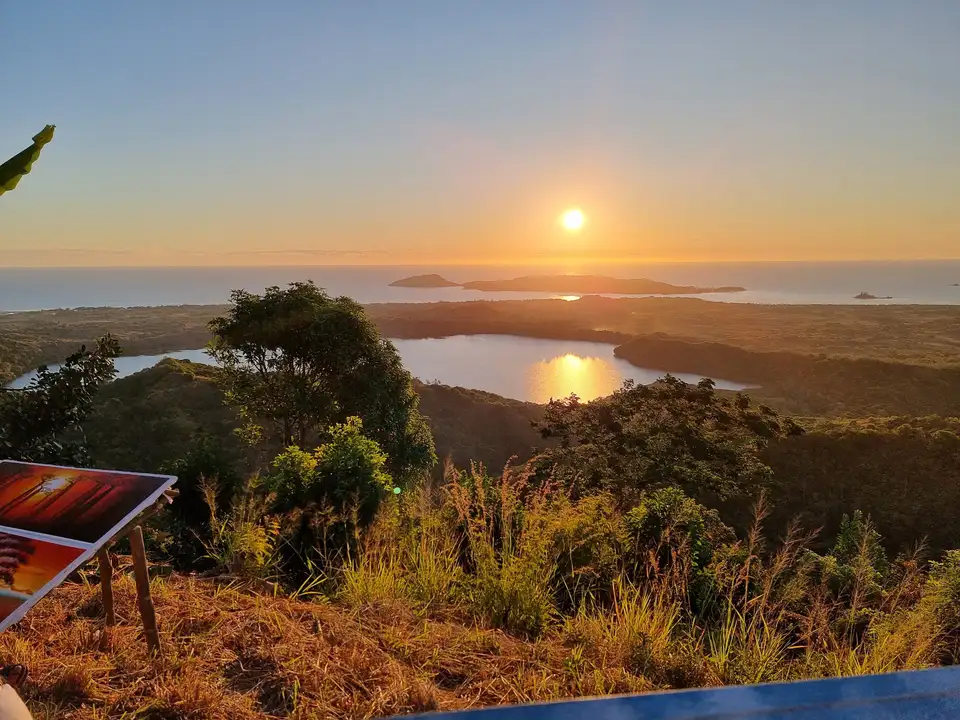
Sull’isola principale, il tramonto dal Mont Passot rimane un classico.