
Morondava – la porta d’accesso al selvaggio ovest del Madagascar
Morondava è una delle principali porte d’accesso al Madagascar occidentale. Situata lungo il Canale del Mozambico, la città è particolarmente nota per la sua vicinanza al famoso Viale dei Baobab, l’accesso al Parco Nazionale degli Tsingy di Bemaraha e le foreste secche della regione di Menabe.
Morondava funge anche da punto di partenza per i remoti villaggi costieri del sud-ovest come Belo‑sur‑Mer e Morombe, accessibili attraverso lunghe piste sabbiose tra mangrovie, baobab, lagune e pianure costiere isolate. Questi percorsi permettono di scoprire comunità di pescatori Vezo, spiagge deserte e alcuni dei paesaggi più selvaggi della costa malgascia.
A differenza delle regioni tropicali umide dell’est, Morondava ha un clima caldo e secco fortemente segnato dalle stagioni. I paesaggi intorno alla città sono dominati da baobab, piste polverose, foreste secche, mangrovie e ampi spazi aperti.
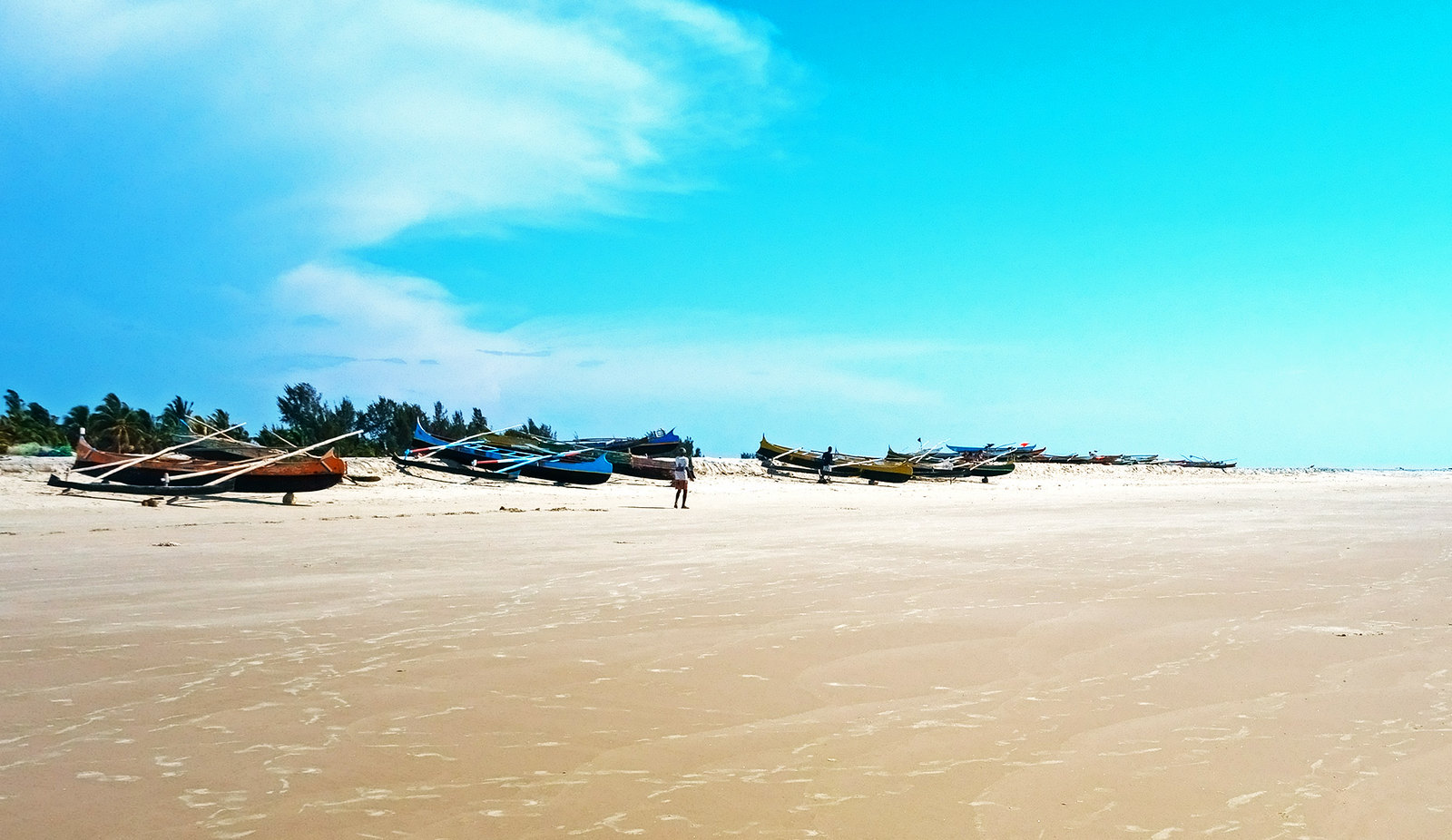
La città rimane relativamente piccola e semplice. La vita quotidiana ruota attorno alla pesca, al commercio locale e ai trasporti verso le regioni remote dell’ovest del Madagascar. Lungo la spiaggia, i pescatori preparano le loro piroghe mentre i mercati vendono pesce, frutta, riso e prodotti dell’interno.
Morondava non è un resort di lusso sulla spiaggia. I viaggiatori vengono principalmente per i paesaggi e l’accesso agli spazi aperti e selvaggi dell’ovest del Madagascar.
Storia
La regione di Morondava apparteneva storicamente ai regni Sakalava che dominavano gran parte dell’ovest del Madagascar tra il XVII e il XIX secolo.
I Sakalava controllavano le rotte commerciali degli zebù, il commercio fluviale e gli scambi marittimi lungo il Canale del Mozambico. Mercanti africani e arabi frequentavano già questa costa molto prima della colonizzazione francese.
Morondava si sviluppò gradualmente come piccolo porto peschereccio e centro commerciale costiero. Rispetto ad altre città coloniali del Madagascar, il suo sviluppo rimase limitato a causa dell’isolamento dell’ovest e delle difficoltà di accesso stradale.
La cultura Sakalava è ancora molto presente nella regione oggi, in particolare attraverso le tradizioni locali, i villaggi e le tombe decorate con pali funerari scolpiti.
Il Viale dei Baobab
L’attrazione principale vicino a Morondava è il Viale dei Baobab, situato a circa 20 chilometri dalla città.
Il sito è famoso per i suoi giganteschi baobab di Grandidier allineati lungo una pista sterrata utilizzata quotidianamente dalla gente del posto e dai carri trainati da zebù.
Si ritiene che alcuni alberi abbiano diverse centinaia di anni.
I momenti migliori per visitare il viale sono l’alba e il tramonto, quando la luce diventa più morbida e le temperature più piacevoli. Durante la stagione secca, la polvere rossa e la luce calda creano i paesaggi iconici dell’ovest del Madagascar.
Il viale rimane uno dei luoghi più fotografati del paese.
Porta d’accesso agli Tsingy di Bemaraha
Morondava è il principale punto di partenza per le spedizioni via terra verso il Parco Nazionale degli Tsingy di Bemaraha.
Il viaggio verso nord comporta lunghe ore su piste, attraversamenti di fiumi e villaggi isolati. Durante la stagione delle piogge, alcuni tratti diventano difficili da percorrere.
La maggior parte dei viaggiatori trascorre una notte a Bekopaka prima di visitare il parco nazionale.
Gli tsingy sono formati da impressionanti formazioni calcaree appuntite, grotte, canyon, ponti sospesi e foreste secche che ospitano lemuri e rettili endemici.
Morondava è l’ultima grande città prima di queste selvagge regioni occidentali.
Belo‑sur‑Mer e la costa sud-ovest
A sud di Morondava, la pista costiera verso Belo‑sur‑Mer e Morombe attraversa paesaggi isolati dove il viaggio dipende spesso dalle maree, dalla sabbia e dagli attraversamenti dei fiumi.
Belo‑sur‑Mer è noto per la sua cultura Vezo e la costruzione tradizionale di barche di legno. Grandi golette e piroghe vengono ancora costruite a mano direttamente sulla spiaggia con tecniche tradizionali.
Più a sud, la strada verso Morombe passa tra baobab, mangrovie, foreste secche, saline e villaggi costieri molto poco sviluppati.
Queste regioni attraggono viaggiatori in cerca di paesaggi remoti e un ritmo di vita più lento.
Foresta di Kirindy
A circa due ore a nord di Morondava si trova la Foresta di Kirindy, una delle foreste secche più famose del Madagascar.
La riserva è particolarmente rinomata per la sua fauna notturna.
Tra le specie frequentemente osservate:
- Microcebi
- Lemuri sportivi
- Sifaka
- Camaleonti
- Gufi
- Ratti saltatori giganti
Kirindy è anche uno dei pochi luoghi in cui i visitatori possono occasionalmente avvistare il fossa, il principale predatore del Madagascar.
L’ecosistema della foresta è molto diverso dalle foreste pluviali umide dell’est ed è perfettamente adattato a lunghi periodi di siccità.
Conclusione
Morondava rimane uno dei principali punti di accesso ai paesaggi e alle regioni selvagge dell’ovest del Madagascar.
Tra baobab, foreste secche, tsingy, cultura Sakalava, villaggi costieri isolati e il Canale del Mozambico, la regione offre un ambiente molto diverso dalle foreste tropicali dell’est del Madagascar.
Morondava rimane una base essenziale per i viaggiatori che desiderano esplorare la costa ovest, il remoto sud-ovest e i vasti spazi naturali delle regioni di Menabe e Melaky.