
Nosy Boraha (Île Sainte-Marie) rests off the eastern coast of Madagascar, miles away from the busy tourist hubs like Nosy Be or the dry, sun-baked savannas of the southwest. It is a world that is noticeably wetter, greener, and moving at a much slower pace. The island sprawls out in an elongated figure along the Indian Ocean, where bent coconut palms spill over dirt roads and brackish wooden houses sit beautifully faded behind lush tropical foliage.
After a tropical downpour, a constant scent of damp earth blends heavily with sea spray and the smoke of open firewood. It rains here often—there is simply no avoiding it on a daily basis. The skies frequently open up into sudden tropical showers that soak you entirely in twenty minutes, only to vanish as quickly as they arrived. The roads dry fast. The laundry, usually, does not.
The geography dictates two distinct coastal worlds. The east-facing side looks straight out onto the open Indian Ocean; during the winter months, it can feel wild, windy, and grey-blue. On the western side, however, offshore coral reefs protect shallow lagoons, keeping the waters remarkably calm, clear, and sheltered. If you are tracking regional microclimates across your itinerary, compare this with our detailed analysis on when to travel to Madagascar.
Most visitors base themselves out of the island’s low-key capital, or trek south towards more deserted coastlines where boutique eco-lodges nestle quietly among coconut palms and ravenala (traveler’s palm) trees. This lush rainforest ecosystem serves as an excellent coastal extension if you are already planning standalone rainforest trekking through our dedicated Andasibe National Park guide.
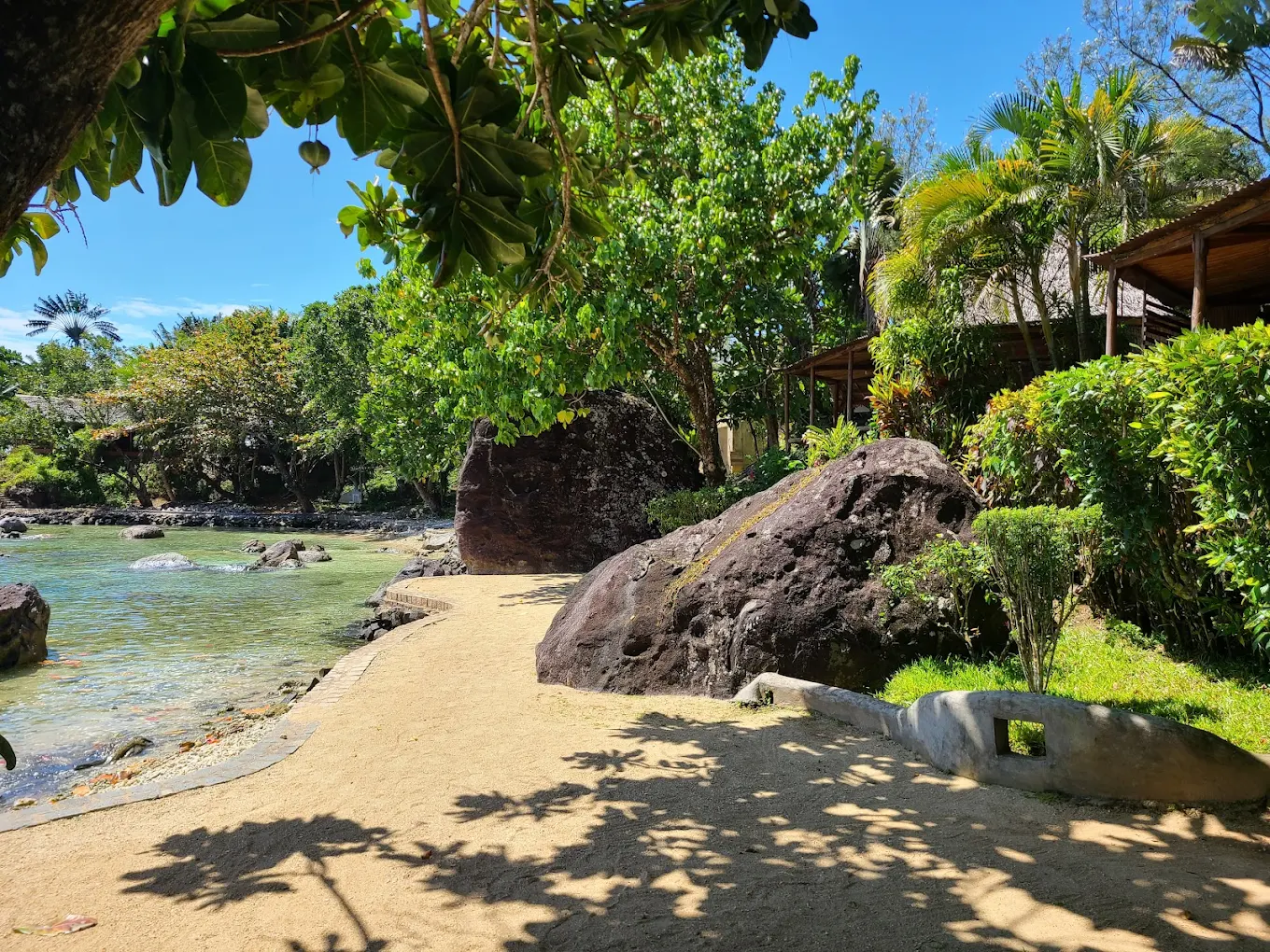
Time moves differently here. The island bypasses modern innovation in favor of dugout pirogues, sandy footpaths, and bicycles. While travelers come for these timeless beaches, there is an underlying heartbeat that draws them above all else: the annual arrival of the giants.
Brief History
Long before it caught the eye of modern travelers, Île Sainte-Marie played an integral role in Indian Ocean maritime routes trading between Madagascar, East Africa, and Asia. Visited centuries ago by Arab merchants, the island carved its name into global lore during the 17th and 18th centuries when its deeply indented, protected bays and abundant fresh water made it the ultimate pirate refuge.
Legendary figures found safe harbor here, plotting raids on treasure-laden ships crossing the Indian Ocean. The tales of buried treasure and rogue sea captains remain woven into the local culture. While some stories have inevitably been romanticized or exaggerated over time, the history is set in stone at the old pirate cemetery, where decades of intense humidity and salty air have slowly taken their toll on the crumbling stone tombs.
The most unique chapter of the island’s past, however, is its relationship with France. Sainte-Marie fell under French control long before the rest of the mainland. In 1750, the local royal lineage ceded the island to the French Crown—according to historical accounts, in exchange for military protection against rival Malagasy factions. Because of this pact, Sainte-Marie was technically French soil more than a century before the mainland was colonized via the primary administrative hub in Antananarivo.
The colonial era also left behind vast agricultural changes, introducing cash crops like cloves, vanilla, and coffee. Venturing inland today, the moss-covered remains of early structures and old plantation foundations can still be found, partially swallowed by the encroaching jungle.
What Not to Miss
The Whale Migration is the island’s crowning glory. From June to September, hundreds of humpback whales travel from Antarctica to calve and mate in the narrow, sheltered channel between Sainte-Marie and mainland Madagascar. This spectacular annual gathering has made the island a premier marine mammal sanctuary. Ethical boat excursions depart every morning during the season; seeing them surface, breach, or slap their tail fins is an almost daily guarantee. For travelers incorporating this into a broader trip, this aligns perfectly with our peak-season 15-Day Madagascar Signature Route.
The Protected Southern Islets remain an unmissable paradise just off the southern tip. Accessible via a short, scenic pirogue ride, these car-free coastal zones feature endless stretches of fine white sand, dazzlingly shallow turquoise lagoons, and traditional fishing canoes resting on the shoreline.
The Pirate Cemetery, located just south of the main capital across a mangrove-lined footbridge, offers an atmospheric look into the island’s lawless maritime history, featuring weathered gravestones marked with classic skull-and-crossbones motifs.
Exploring the Inland Plantations by bicycle or foot brings you into the agricultural heart of the island. Roads cut through sweet-scented clove and vanilla plantations, winding through wet tropical forests heavily populated by iconic ravenala trees, offering a lush ecosystem that contrasts sharply with the arid plains of western and southern Madagascar.
🗺️ Strategic Trip Planning
Incorporate this island escape seamlessly into your overarching travel plans:
🌿 Complementary Ecosystem Guides
Contrast the marine sanctuaries with Madagascar’s premier inland national parks: