Lemur Galore: Eastern Madagascar Rainforest & Island Escape
12-day journey: Andasibe, Palmarium, Pangalanes Canal, Toamasina & tropical Île aux Nattes and Sainte Marie
View tour
Kirindy Mitea National Park protects a rare continuum of coastal and terrestrial ecosystems in south‑western Madagascar, south of Morondava, between the famous Avenue of the Baobabs and the Mozambique Channel. Along a single stretch of coast, it brings together mangroves, lagoons, sandy beaches, dunes, dry coastal forests and spiny thicket, with still poorly documented fauna and highly varied landscapes.
Less known than Kirindy (North) Reserve, Kirindy Mitea National Park offers a more marine and coastal perspective on the dry forests of the Menabe region. It’s an exploratory destination for travellers who want to combine waterbirds, mangroves, dry‑forest wildlife and immersion in a relatively undeveloped shoreline.
Kirindy Mitea National Park lies in the Menabe region, south of Morondava, between the estuaries of the Tsiribihina and Mangoky rivers.
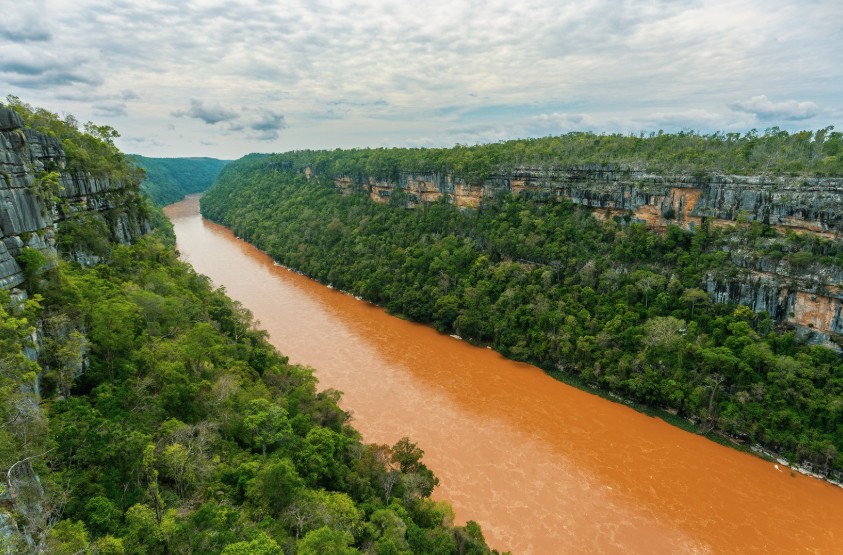
The landscape alternates between mangrove channels, sandbanks, coastal dry forest with baobabs and euphorbias, and wide beaches open to the Mozambique Channel.
Access combines 4×4 tracks and pirogue/boat, always with a local guide:
There are few marked “official” trails; the experience is more about guided day explorations than following a fixed hiking network.
Kirindy Mitea National Park supports both marine and terrestrial wildlife:
The vegetation of Kirindy Mitea National Park expresses the transition from sea to dry inland:
These habitats underpin fisheries productivity, protect coastlines and maintain ecological connectivity between marine and terrestrial systems.
With limited tourist infrastructure but rich coastal biodiversity and scenery, Kirindy Mitea National Park is aimed at travellers seeking a raw, less‑visited view of Madagascar’s south‑western coast. Mangroves, nearly empty beaches, coastal dry forests and fishing villages together offer a direct insight into the conservation challenges of the Morondava region’s shoreline.
Kirindy Mitea National Park lies about 10 km south of Belo‑sur‑Mer, reachable in roughly 45 minutes by car or about 2 hours by motorised pirogue.
Best from May to October in the dry season, when tracks from Belo‑sur‑Mer are more passable and tides easier to manage. From November to April, rains and river outflows can complicate access, and heat and humidity rise, but mangroves and coastal vegetation are at their greenest.
Check tide times and local advice before boat trips or beach walks – channels and sandbars change with tides
Wear light, breathable clothing, a hat and high‑SPF sunscreen; coastal sun and reflection are intense
Use closed sandals or shoes suitable for mud, mangrove roots and hot sand
Carry enough drinking water and snacks; services around Belo‑sur‑Mer and in the park are very basic