
Fianarantsoa: la capitale intellettuale, spirituale e vinicola degli Altipiani del Madagascar
Arroccata sul bordo dell’altopiano centrale, circondata da risaie terrazzate e vigneti, Fianarantsoa è una città che spesso si intravede da lontano: dal finestrino di un taxi‑brousse in viaggio verso Ranomafana, o attraverso il parabrezza di un 4×4 che corre sulla RN7 verso sud. Eppure, per chi sceglie di fermarsi, « Fianar », come la chiamano gli abitanti, svela un mondo a sé: una città concepita come seconda capitale del regno merina, culla dell’élite intellettuale malgascia e centro spirituale degli Altipiani.
Fondata nel 1830 dalla regina Ranavalona I, il suo nome significa letteralmente « il luogo dove si impara il bene ». Fianarantsoa non nacque da un villaggio cresciuto a poco a poco, ma da un progetto politico e urbano: una città costruita per consolidare il potere merina sul territorio betsileo e fungere da specchio meridionale di Antananarivo.
Da bastione reale a capitale del sapere
Nel XIX secolo il regno merina era in piena espansione verso sud. Per controllare le terre fertili e densamente popolate dei Betsileo, la corte decise di fondare una «capitale gemella» nella regione. Fianarantsoa nacque così come una sorta di Antananarivo del Sud: una città arroccata su una collina, organizzata a livelli e dotata di un forte valore simbolico.
La scelta del nome non fu casuale. Chiamarla « il luogo dove si impara il bene » lancia un messaggio chiaro: da qui si irradieranno leggi, amministrazione, lingua e valori del potere centrale. Era al tempo stesso una fortezza militare, un centro amministrativo e un faro di “civiltà” agli occhi dei sovrani merina.
Poco dopo la fondazione, un’altra forza influenzò profondamente il destino della città: le missioni cristiane. Se Antananarivo fu il primo grande polo della London Missionary Society, Fianarantsoa divenne rapidamente il loro principale centro nel Sud. I missionari protestanti vi crearono scuole e chiese, presto affiancati – e talvolta rivaleggiati – dai gesuiti francesi e da altre congregazioni cattoliche.
Questa sorta di «sacra rivalità» ebbe una conseguenza decisiva: protestanti e cattolici si sfidarono a costruire i migliori istituti scolastici, seminari e collegi. Col tempo, Fianarantsoa si trasformò nel principale polo educativo del Madagascar. Per decenni una parte importante dell’élite – preti, pastori, insegnanti, alti funzionari, intellettuali – si formò nelle sue aule. Ancora oggi la città concentra un numero eccezionale di licei, convitti religiosi e facoltà riunite nell’Università di Fianarantsoa.
La Haute Ville: capsula del tempo in cima alla collina
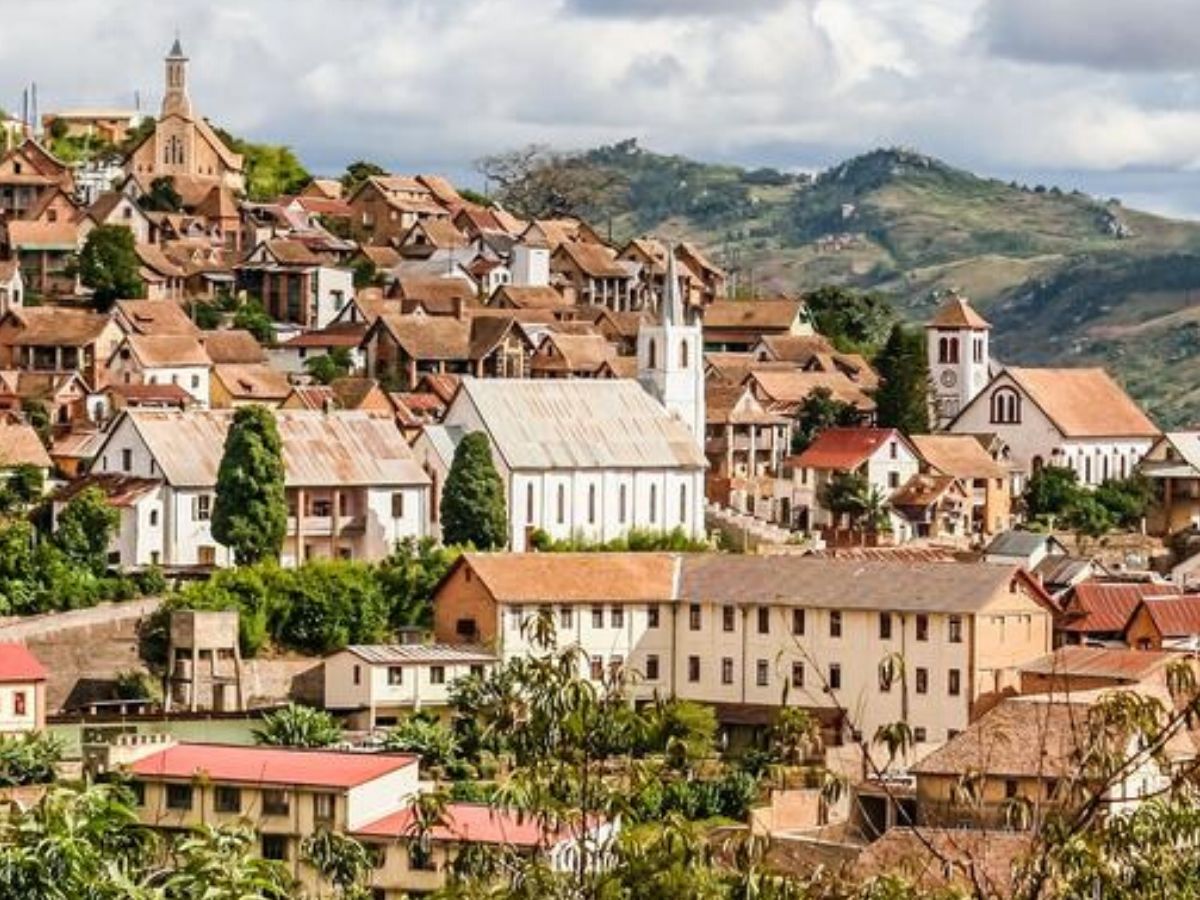
Il tesoro più visibile di Fianarantsoa è la sua Haute Ville, il centro storico sopraelevato. Mentre il vecchio nucleo di Antananarivo ha subito una rapida modernizzazione, il cuore arroccato di Fianar ha conservato sorprendentemente il suo carattere ottocentesco. Nel 2008 è stato inserito nell’elenco dei 100 siti più minacciati del World Monuments Fund, innescando progetti di restauro e consapevolezza patrimoniale.
Per raggiungere la Haute Ville bisogna salire a piedi. Le sue strade sono strette, lastricate e spesso a gradini, inaccessibili alle auto. Case di mattoni dai tetti in tegola o ardesia, ornate da balconi in legno e ringhiere scolpite, si accalcano lungo vicoli tortuosi. I panni stesi alle finestre, il fumo dei focolari che esce dai tetti, le voci che risuonano tra le pareti: tutto dà l’impressione di un antico villaggio sospeso sopra una città moderna.
In cima, la massiccia cattedrale di Ambozontany domina il quartiere, un imponente edificio in mattoni rossi che sembra vegliare sull’intera regione. A pochi passi sorge un importante tempio protestante, riflesso della dualità religiosa profondamente radicata nella storia di Fianar. Questa coabitazione – talvolta rivalità – tra cattolici e protestanti ha segnato profondamente la vita quotidiana, la politica locale e il mondo dell’istruzione.
Dai belvedere della Haute Ville, la vista panoramica è notevole. A ovest si estendono i quartieri nuovi e la città moderna; a est, lo sguardo scivola su una successione di colline immerse nella foschia, dietro le quali si nascondono piantagioni di tè e foreste che annunciano Ranomafana. Al tramonto, la luce dorata incendia i mattoni e indora le risaie. Per i fotografi, la combinazione altitudine + foschia + architettura antica regala a Fianar un’atmosfera morbida, quasi medievale.
Paese betsileo: risaie, Savika e vigneti
Al di là della sua funzione politica e religiosa, Fianarantsoa è prima di tutto il cuore del territorio betsileo, uno dei popoli più numerosi e più agricoli del Madagascar. Nella visione betsileo, la terra e il lavoro agricolo sono al centro, come mostra chiaramente il paesaggio.
Le risaie terrazzate
Avvicinandosi a Fianar su strada, il viaggiatore vede le valli trasformarsi in veri e propri anfiteatri di risaie terrazzate. I Betsileo hanno scolpito i pendii in piccoli gradini sostenuti da muretti a secco, con canali e chiuse che distribuiscono minuziosamente l’acqua. Queste opere di ingegneria idraulica non sono decorative: consentono di coltivare il riso su fianchi scoscesi e di sfruttare ogni goccia di pioggia.
Savika: la lotta con lo zebù
Altro forte marcatore dell’identità betsileo è il Savika (o Tolon’omby), una forma di lotta o rodeo con tori zebù. A differenza della corrida spagnola, l’obiettivo non è ferire né uccidere l’animale. Durante un Savika, giovani uomini affrontano un potente zebù in un’arena di terra. La sfida consiste nell’afferrare il dorso o la gobba dell’animale e resistere il più a lungo possibile mentre lo zebù salta, si agita e cerca di disarcionarli. Non ci sono armi né banderillas: tutto si basa su forza, riflessi e coraggio.
I Savika si svolgono generalmente nei fine settimana o durante le feste nei villaggi intorno a Fianar. Non sono spettacoli organizzati per i turisti; è quindi preferibile chiedere a una guida locale informazioni sugli eventi in programma e assistervi accompagnati, per ragioni sia pratiche sia culturali.
La «strada del vino» betsileo
Sebbene il Madagascar non sia spontaneamente associato al vino, la regione di Fianarantsoa costituisce il principale centro vitivinicolo del paese. Etichette come Lazan’ny Betsileo o i vini prodotti dal monastero di Maromby testimoniano l’adattamento della vite a questi terroir d’altitudine. I vini malgasci possono sorprendere: spesso più dolci, rustici o irregolari rispetto ai vini europei, riflettono tuttavia un’esperienza agricola più che centenaria. Visitare vigneti e monasteri, scoprire cantine familiari e degustare rossi, bianchi o «grigi» in pieno Oceano Indiano è un’esperienza tanto curiosa quanto affascinante.
Il treno FCE: una linea di vita verso la costa est
Dalla città bassa parte la ferrovia Fianarantsoa–Costa Est (FCE), una delle linee ferroviarie più sorprendenti d’Africa. Costruita in epoca coloniale, scende i ripidi pendii dell’altopiano per collegare Fianarantsoa alla piccola città costiera di Manakara, attraversando 48 gallerie e 67 ponti su 163 km.
Viaggiare a bordo del FCE cambia il rapporto con il tempo. Il treno è lento, vecchio, soggetto a guasti. Il viaggio può durare da 8 a 18 ore, e la puntualità è più un auspicio che una realtà. Ma quando funziona, l’esperienza è indimenticabile.
Il FCE non è un treno turistico di lusso, ma un’arteria vitale per decine di villaggi isolati nella foresta, senza strada praticabile. Lungo il percorso il treno costeggia cascate, precipizi, gole e piccole stazioni sperdute nella giungla. A ogni fermata, gli abitanti accorrono ai finestrini per vendere banane, litchi, gamberi di fiume, arachidi, spiedini, sambos (samosa) e spezie. Il treno diventa così un mercato ambulante e un balcone in movimento sulla vita rurale.
Prima di programmare un viaggio sul FCE, è essenziale verificare lo stato attuale della linea presso operatori locali o hotel, poiché le interruzioni dovute a guasti o frane sono frequenti. Se avete la fortuna di trovarlo in funzione durante il vostro soggiorno, è una delle più belle avventure di viaggio lento in Madagascar.
Dintorni: tè, foresta e orizzonti lontani
Piantagione di tè di Sahambavy
A una ventina di chilometri dalla città si estende l’unica grande piantagione di tè del paese: Sahambavy. Il paesaggio cambia all’improvviso: le colline si ricoprono di file regolari di arbusti di tè accuratamente potati, che ricordano lo Sri Lanka o le Cameron Highlands. Si può visitare la fabbrica del tè, osservare le fasi di appassimento, arrotolamento ed essiccazione delle foglie, e respirare il profumo verde e leggermente dolciastro del tè in lavorazione. Un hotel sulle rive di un lago offre una cornice tranquilla per il pranzo o il pernottamento.
Parco Nazionale di Ranomafana
A circa un’ora e mezza di strada verso est si trova il Parco Nazionale di Ranomafana, uno dei più celebri del Madagascar e Patrimonio dell’Umanità. Le sue foreste umide, le valli profonde e i fiumi termali ospitano lemuri iconici come il lemure dorato del bambù, oltre a una moltitudine di camaleonti, rane e uccelli endemici. È possibile un’escursione in giornata da Fianar, ma si consiglia vivamente di trascorrere almeno una notte nei pressi del parco per partecipare alle passeggiate notturne.
Conclusione: l’anima degli Altipiani
Fianarantsoa è spesso presentata come la capitale intellettuale del Madagascar, ma è anche uno dei suoi principali riferimenti spirituali. È una città dove le campane delle chiese risuonano sopra valli nebbiose, dove la terra rossa produce sia riso sia uva, e dove la memoria del regno merina, delle missioni cristiane e della colonizzazione francese si iscrive nei mattoni, nei campanili e nelle rotaie arrugginite.
Accesso e periodo migliore
Il periodo migliore per visitare Fianarantsoa va da maggio a ottobre, durante la stagione secca e fresca degli Altipiani. In questo periodo le piogge sono meno frequenti, le strade sono generalmente in condizioni migliori e le passeggiate nella Haute Ville, nei vigneti, nelle piantagioni di tè e nei dintorni sono più piacevoli.