Tsimanampetsotsa National Park is a unique coastal site in south‑western Madagascar, dominated by a vast, dazzling white salt lake, baobabs, spiny forest and limestone cliffs riddled with caves. Remote and extremely dry, it shelters colonies of flamingos, extreme plants adapted to salinity and drought, and remarkable cave‑dwelling species.
Little visited and far from the main tourist routes, Tsimanampetsotsa National Park has an end‑of‑the‑world atmosphere: dunes, spiny scrub, nearby fishing villages and an almost absolute silence around the lake. It is a choice stop for travellers exploring the south‑west coast between Tuléar/Toliara and Anakao / Itampolo who are interested in waterbirds, baobabs and arid landscapes.
Geography and landscape of the park
Tsimanampetsotsa National Park lies in the Atsimo‑Andrefana region, south of Tuléar/Toliara, near the village of Efoetse.
- Ecosystems: shallow salt lake, spiny forest, shrub savannas and limestone cliffs
- Area: about 43,000 ha
- Altitude: almost at sea level, with low limestone rises
- Climate: extremely dry, with very low annual rainfall, high temperatures and intense sunlight
- Key landscapes:
- Lake Tsimanampetsotsa, highly saline, with milky or turquoise waters depending on the season
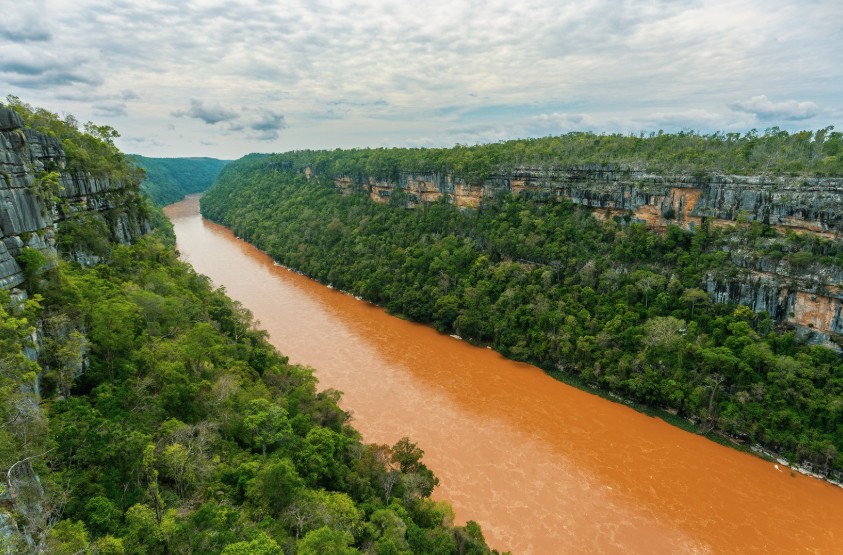
- Limestone cliffs and plateaus pierced with caves
- Spiny forest, baobabs, giant euphorbias and open savanna zones
Trails and circuits
Visits combine 4×4 tracks and short walks with a local guide:
- Lake viewpoints:
- Platforms and lookouts for observing flamingos and other waterbirds without disturbing them
- Spiny forest trails:
- Short loops to discover baobabs, Didiereaceae, euphorbias and other drought‑adapted plants
- Limestone caves and sinkholes:
- Guided visits to selected caves containing underground lakes with blind fauna and bats (some sites are fady, or taboo)
Walks are easy, but sun exposure is intense.
Wildlife
Tsimanampetsotsa is especially known for its waterbirds and cave fauna:
- Colonies of flamingos (lesser and greater) on the lake in certain seasons
- Other waterbirds: stilts, avocets and various waders
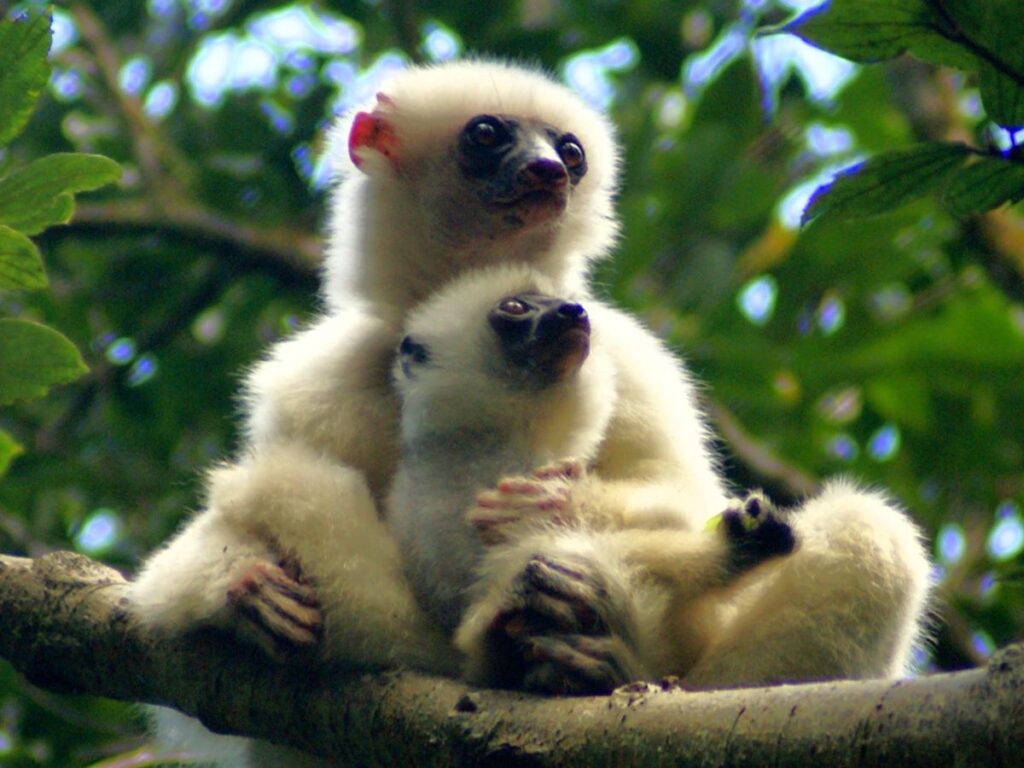
- Spiny‑forest fauna: a few lemur species (e.g. brown lemurs or sifakas depending on the sector), ground‑dwelling birds, tenrecs
- Blind cave fish in underground lakes within the limestone caves
- Bats and various reptiles (geckos, non‑venomous snakes)
Flora and vegetation
The vegetation of Tsimanampetsotsa National Park typifies the arid coastal environments of the south‑west:
- Spiny forest and thicket with Didiereaceae, euphorbias, aloes and highly xerophytic shrubs
- Baobabs and scattered tall trees on the plateaus
- Halophytic vegetation (salt‑tolerant plants) along the lake shore
This flora is strongly adapted to drought, with reduced leaves, spines and water storage in stems and trunks.
Ecological and cultural importance
- A wetland of major importance for waterbirds and migratory species
- Karst terrain harbouring caves that are sacred to local communities, governed by fady (taboos)
- Pressures: overgrazing, wood cutting and climate change all increase the fragility of this environment
Conclusion
With its salt lake frequented by flamingos, its baobabs and its mysterious limestone caves, Tsimanampetsotsa National Park reveals a little‑known facet of south‑western Madagascar. For travellers seeking arid landscapes, waterbirds and a very isolated atmosphere, it is a rare and memorable stop.