Nosy Hara National Park / Marine Park
Overview
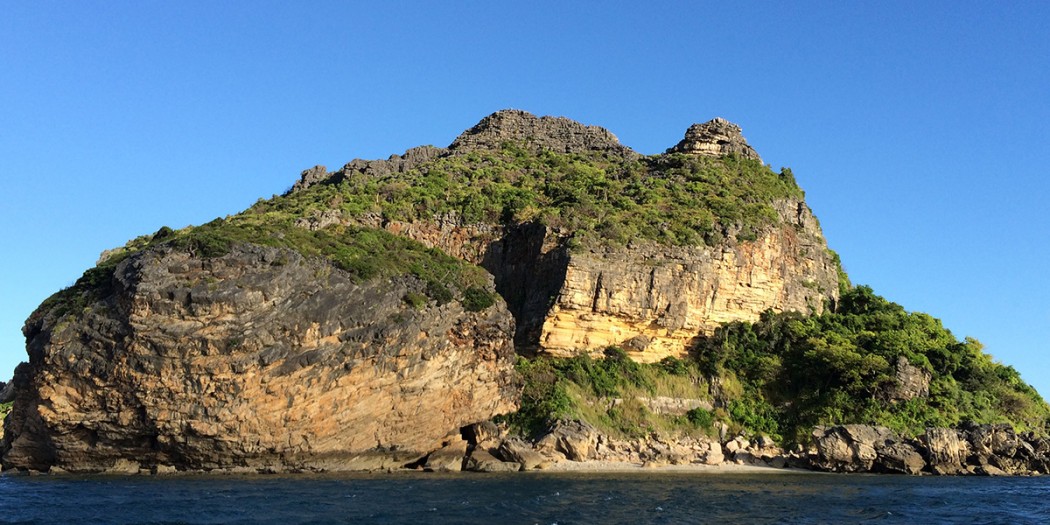
Nosy Hara National Park is a marine and coastal national park in far north‑western Madagascar, off the Diana region near the country’s northern tip. It protects an archipelago of small limestone islands with steep cliffs and dry forest, surrounded by coral reefs, seagrass beds and clear turquoise waters.
Still lightly developed for tourism, Nosy Hara National Park is a paradise for diving, snorkeling, limestone climbing (including deep‑water solo), seabird watching and enjoying dramatic coastal scenery. It offers a rare combination of coastal karst, wild islets and relatively healthy marine habitats.
Geography and landscape of the park
Nosy Hara National Park lies off the north‑west coast between Antsiranana/Diego Suarez and Ankify, off the mainland commune of Antsakoamamy in the Diana region.
- Ecosystems: limestone islets (karst), beaches, occasional mangroves, coral reefs, lagoons and seagrass beds
- Area: about 625 km² (marine protected area including islands and coastal waters)
- Relief: limestone islands with sheer cliffs, karst spires, small bays and sheltered coves
- Climate: tropical maritime, drier than the east, with a rainy season (November–March) and a dry season (April–October)
Nosy Hara’s islets consist of sculpted limestone capped with dry forest and ringed by coral reefs and clear water ideal for underwater activities.
Trails and circuits / activities
Access is only by sea (speedboat or local boats) from coastal villages or from Antsiranana with operators:
- Snorkeling and scuba diving:
- Exploring coral reefs, walls, coral heads and seagrass beds rich in tropical fish, invertebrates and sometimes turtles and rays.
- Kayaking / boat excursions around the islets:
- Paddling or motoring through lagoons and between islands to admire cliffs, sea arches and marine caves.
- Climbing / deep‑water solo:
- Several islets in Nosy Hara have bolted limestone sport routes and are known internationally as a deep‑water solo and sea‑climbing venue.
- Short walks on the islets:
- Brief hikes in insular dry forest to observe plants, geckos and birds, and to enjoy viewpoints over the archipelago.
Wildlife
Nosy Hara National Park protects both marine and terrestrial wildlife:
- Marine fauna:
- Reef fish (butterflyfish, surgeonfish, groupers, parrotfish, etc.)
- Marine turtles (green turtle, hawksbill turtle) using seagrass beds and reefs
- Rays and, occasionally, reef sharks
- Birds:
- Breeding seabirds (terns, noddies, frigatebirds, boobies)
- Dry‑forest birds on the islets (drongos, small passerines)
- Terrestrial herpetofauna:
- Geckos, small chameleons and non‑venomous snakes associated with the insular karst
Flora and vegetation
Terrestrial vegetation in Nosy Hara National Park is typical of small dry‑forest islands on limestone:
- Dry forest and xeric scrub on karst: low trees, spiny shrubs, euphorbias, aloes
- Coastal vegetation tolerant of salt spray on beaches and cliffs
Marine habitats include:
- Fringing coral reefs and patch reefs
- Seagrass beds important for turtles and juvenile fish
- Mangroves and mudflats in a few sheltered bays
Ecological and cultural importance
- Marine conservation: Nosy Hara National Park contributes to the protection of coral reefs, seagrass beds and marine turtle habitat in Madagascar’s far north‑west.
- Artisanal fisheries: neighbouring coastal communities depend on fishing; co‑management and no‑take areas are essential for long‑term sustainability.
- Specialised ecotourism: diving, snorkeling, sea‑climbing and kayaking provide opportunities for low‑impact tourism if carefully managed.
Conclusion
At once a marine park and a limestone island archipelago, Nosy Hara National Park is a niche destination for divers, climbers and lovers of wild marine environments. Its sheer karst cliffs, colourful reefs and turquoise waters provide a very different experience to Madagascar’s inland parks, ideal for travellers seeking a coastal and underwater adventure far off the mainstream routes.
Map
How to Get There
From the Village of From Ampasindava, 35 km west of Antsiranana (up to 2 hours’ drive), followed by a sea crossing of about 2 hours to reach the small archipelago of Nosy Hara.
When to Go
Best from May to October in the dry season, when seas are generally calmer, underwater visibility is better and boat trips are more comfortable.
From November to April, the rainy season brings showers, sometimes rougher seas and more variable visibility, but marine life is still active; trips must be planned around conditions.
Activities
- Snorkeling and scuba diving on coral reefs and seagrass beds around the islets
- Sea‑kayaking or boat tours between limestone islands, arches and marine caves
- Rock climbing and deep‑water solo on bolted limestone cliffs (with specialist operators)
- Short walks on selected islets to see dry‑forest vegetation, geckos and seabird colonies
Tips
Bring reef‑safe sunscreen, a hat and long‑sleeved UV shirt – sun reflection on water is intense
Use closed sandals or reef shoes for landings on sharp rocks, coral rubble and hot sand
If diving or climbing, ensure your insurance covers these activities in remote marine areas
Check wind and swell forecasts; allow flexibility in your schedule for weather‑related changes
You may also like