Masoala National Park
Overview
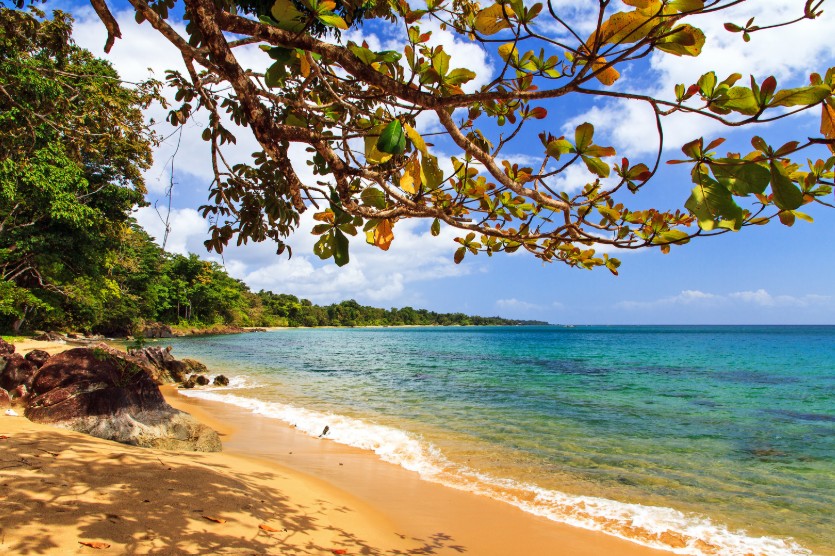
Masoala National Park is Madagascar’s largest terrestrial national park and one of the few places on Earth where primary rainforest meets coral reefs directly along the shore. Located on the Masoala Peninsula in the north‑east, it protects a huge block of humid forest, estuaries, mangroves, beaches and sheltered bays, as well as offshore marine habitats.
Geography and landscape of the park
Masoala National Park lies on the Masoala Peninsula, spanning the Sava and Analanjirofo regions, east of Maroantsetra and facing Nosy Mangabe in Antongil Bay.
- Area: ~2,300 km² of terrestrial park plus associated marine protected zones
- Elevation: 0 m (sea level) to > 1,200 m on interior ridges
- Terrain: very rugged massif with parallel ridges and deep valleys
- Climate: extremely wet, with high rainfall and frequent heavy showers year‑round
Key landscapes include dense rainforest reaching the coast, mangrove‑lined estuaries, sandy beaches and clear‑water bays.
Trails and circuits
Access is typically by boat from Maroantsetra to coastal bases (Tampolo, Ambanizana, Cap Est), then on foot with guides:
- Rainforest hikes (1–3 days):
- Loops from coastal camps into the forest to look for lemurs, birds and frogs.
- Longer treks (3–7 days):
- Routes linking villages and bays, combining forest trekking, river crossings and coastal walking.
- Marine activities:
- Snorkeling over coral reefs.
- Sea‑kayaking or pirogue trips along the coastline.
Trails are often steep, muddy and root‑covered, with multiple river crossings; local guides and porters are strongly recommended.
Wildlife
Masoala National Park is outstanding for both terrestrial and marine wildlife:
- Lemurs:
- Aye‑aye (Daubentonia madagascariensis)
- Red and red‑bellied lemurs (Eulemur rubriventer, E. albifrons)
- Nocturnal lemurs (Microcebus, Cheirogaleus, Avahi)
- Birds:
- Helmet vanga (Euryceros prevostii) and other vangas
- Couas, ground‑rollers, drongos and a wide range of forest passerines
- Reptiles & amphibians:
- Chameleons, geckos, and numerous rainforest frogs, many endemic to the peninsula.
- Marine fauna:
- Humpback whales breeding in Antongil Bay (roughly July–September).
- Reef fish, marine turtles and diverse invertebrates on reefs and seagrass beds.
Flora and vegetation
- Lowland rainforest with tall trees, lianas and tree ferns.
- Mid‑altitude and montane forest with moss‑laden trunks and abundant epiphytes.
- Mangroves in estuaries, plus coastal vegetation with palms and pandanus.
Ecological and cultural importance
- Conservation: Masoala is critical for the survival of rainforest lemurs, birds and amphibians, and for preserving one of the last large blocks of coastal primary rainforest.
- Marine ecology: coral reefs and seagrass support artisanal fisheries and turtle foraging grounds.
- Local communities: Betsimisaraka villages around the park depend on fishing, rice, vanilla and cloves; co‑management initiatives link conservation and local livelihoods.
Conclusion
Remote, rainy and logistically demanding (expensive), Masoala National Park is nonetheless one of Madagascar’s most complete nature destinations, combining forest trekking and marine exploration. For well‑prepared travellers, it offers a rare chance to experience a large, still‑wild rainforest‑and‑sea landscape.
Map
How to Get There
On the north‑east coast, Masoala National Park is reached mainly from Maroantsetra, then by boat (1–3 hours) to bays and villages on the peninsula (Tampolo, Ambanizana, Cap Est).
When to Go
Best September to December for a compromise of slightly lower rainfall, good marine conditions and active wildlife. July–September is ideal for humpback whales in Antongil Bay, but seas and rain can be rougher. From January to April, very heavy rains and storms can disrupt both access and trails.
Activities
- Rainforest day hikes and multi‑day treks from coastal camps into the interior
- Snorkeling and reef swimming from beaches and sheltered bays
- Sea‑kayaking or pirogue trips along the Masoala coastline
- Seasonal whale‑watching (humpback whales in Antongil Bay)
Tips
Expect very wet conditions: bring full rain gear, dry bags and quick‑dry clothing
Use sturdy trekking shoes and poles – trails are steep, muddy and rooty
Plan logistics with a local operator in Maroantsetra for boats, guides and porters
Carry malaria prophylaxis advice from a doctor and strong insect protection (mosquitoes, leeches)
Build flexibility into your schedule for weather‑related delays on flights and boats
You may also like