Ranomafana National Park
Overview
Ranomafana National Park is one of the crown jewels of eastern Madagascar, renowned for its mid‑altitude rainforest, sulfurous hot springs, and outstanding biodiversity. Created in the late 1980s following the discovery of the golden bamboo lemur, it has become a flagship site for scientific research and conservation while remaining accessible to nature‑loving travelers.
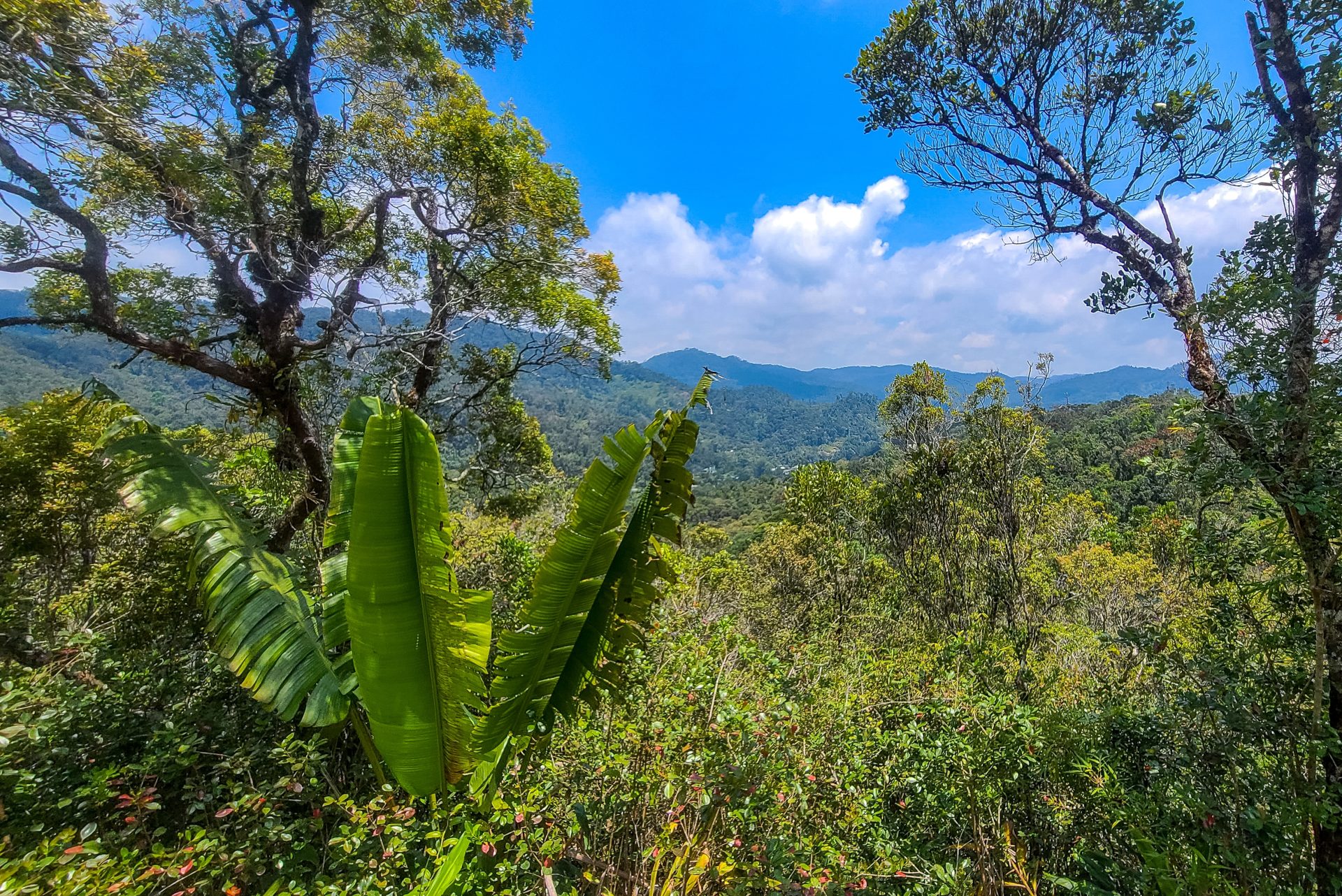
Spread over steep hills cloaked in dense forest, crossed by fast‑flowing rivers, waterfalls, and shady trails, Ranomafana National Park offers a classic immersion in Malagasy rainforest. It strikes an excellent balance between wildlife viewing, nearby accommodation in Ranomafana Village, and a good network of trails for walkers of varying abilities.
Geography and landscape of the park
Ranomafana National Park is located in the Vatovavy region, south‑east of the central highlands, about 65 km north‑east of Fianarantsoa, near the village of Ranomafana.
- Area of about 41,600 ha of rainforest and rolling hills.
- Rugged terrain of deep valleys and steep slopes with rivers, rapids, and waterfalls.
- Altitude from roughly 600 to 1,400 m, dominated by mid-altitude rainforest.
- Warm, very humid climate with a marked rainy season (especially November–April) and a “dry season” that is still moist.
- The park is drained by the Namorona River and many tributaries, creating cascades and natural pools.
The landscape is composed of forest‑covered hills, viewpoints over the Namorona valley and hot‑spring areas that gave the park its name (“Ranomafana” means “hot water”).
Trails and circuits
Trails in Ranomafana National Park (with mandatory guide) are varied and suit different fitness levels:
- Short entrance‑area circuits: 1–3 hour walks in the forest to discover flora, waterfalls, and diurnal lemurs.
- Varibolomena Circuit: a moderate loop ideal for observing lemurs, birds, and amphibians.
- Sahamalaotra Circuit: a longer, steeper route that penetrates deeper into the forest for a wilder experience.
- Night walks (on the park edge): guided evening outings along the road or in designated areas to spot nocturnal lemurs, chameleons, and frogs.
- Full‑day hikes: for keen hikers, reaching more remote and quieter parts of the park.
Trails can be muddy and slippery, especially during or after rain.
Wildlife
Ranomafana National Park is a major biodiversity hotspot, especially for lemurs, birds, reptiles, and amphibians of eastern rainforest.
Key species:
- Golden bamboo lemur (Hapalemur aureus), the emblematic species discovered here in the 1980s
- Greater bamboo lemur (Prolemur simus), rare and highly threatened
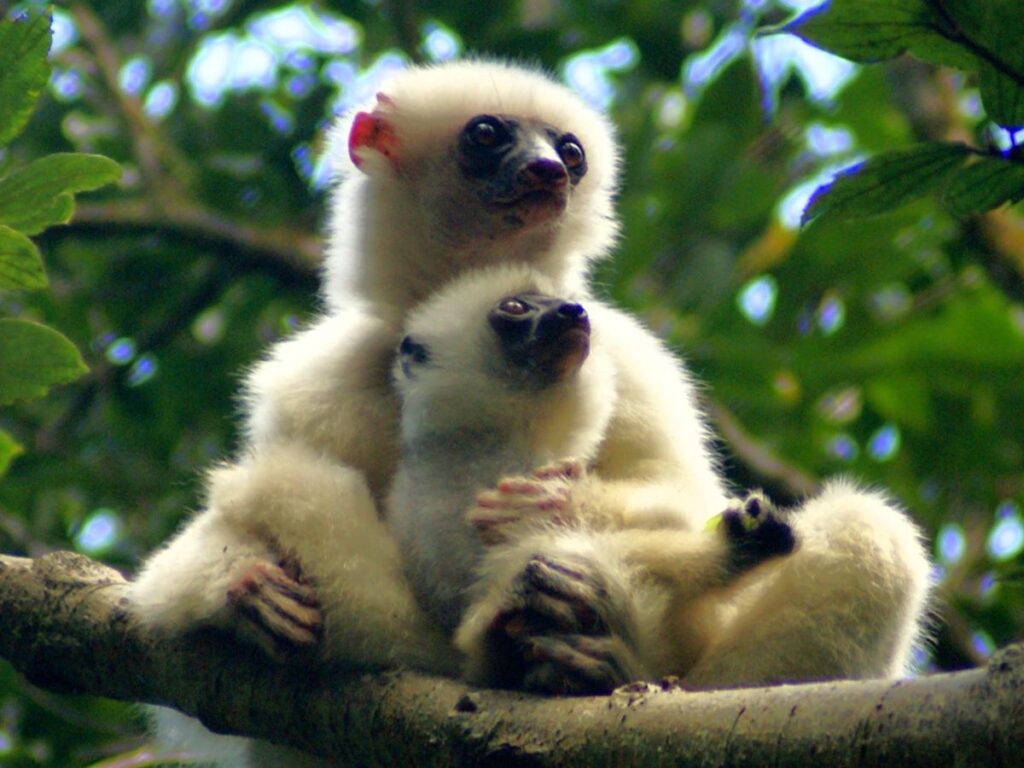
- Other lemurs: red‑fronted brown lemur (Eulemur rufifrons), red‑bellied lemur (Eulemur rubriventer), Milne‑Edwards’ sifaka (Propithecus edwardsi), several mouse lemurs (Microcebus) and other nocturnal species
- High diversity of endemic forest birds
- Numerous chameleons, geckos, non‑venomous snakes and an exceptional richness of frogs (dozens of species)
Flora and vegetation
The flora of Ranomafana National Park is characteristic of mid‑altitude eastern rainforests:
- Dense rainforest with tall trees, closed canopy, lianas, and rich understory.
- Many epiphytes: mosses, ferns, orchids, and bromeliads covering trunks and branches.
- Numerous medicinal and useful plants used by local communities.
- Lush riparian vegetation along rivers and waterfalls.
This vegetation is vital for water regulation, soil protection, and maintaining the humid microclimate that defines the park’s ecosystems.
Ecological and cultural importance
- Conservation: Ranomafana National Park is part of the UNESCO World Heritage site “Rainforests of the Atsinanana”, recognised for its global biodiversity value.
- Scientific research: the park hosts research centres such as Centre ValBio, which support long‑term studies on rainforest ecology, lemurs and conservation.
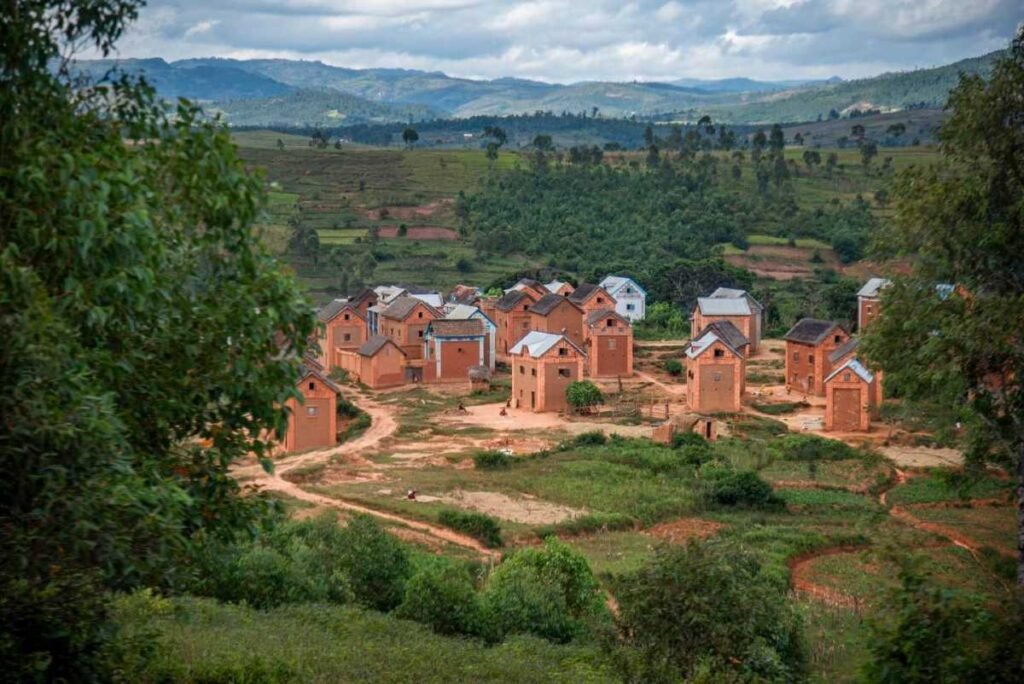
- Local communities: surrounding villages depend on forest resources and tourism; community projects aim to balance livelihoods with habitat protection and environmental education.
Conclusion
Accessible yet biologically rich, Ranomafana National Park is a must‑visit destination for anyone wanting to experience Madagascar’s eastern rainforest. With golden bamboo lemurs, colourful frogs, waterfalls and shaded forest trails, it offers a blend of wildlife watching, scenic beauty and scientific significance that makes it one of the country’s most rewarding parks to explore.
Map
Hotels
- Centrest Sejour
- Setam Lodge
- Thermal Hotel
How to Get There
About 65 km north‑east of Fianarantsoa (2–3 hours’ drive along the RN25), near the village of Ranomafana.
When to Go
Best from May to October, when rains are somewhat less frequent, trails are more manageable and temperatures are pleasant.
From November to April it’s the peak rainy season: heavier, frequent showers make trails muddy, but the forest is at its greenest and most lush.
Activities
- Day hikes through mid‑altitude rainforest to waterfalls and river viewpoints
- Guided walks to look for golden bamboo lemurs and other lemur species
- Night walks in the park edge to spot nocturnal lemurs, chameleons and frogs
- Birdwatching for eastern rainforest endemics along forest trails
- Relaxing in or visiting the village hot‑spring facilities after hikes
Tips
Bring a lightweight waterproof jacket – showers are common year‑round, even in the “dry” season
Wear sturdy, closed hiking shoes with good grip for muddy and slippery roots
Carry insect repellent and consider long sleeves/trousers for mosquitoes and leeches
Use a local guide to maximise wildlife sightings and stay on authorised trails
Start morning walks early to enjoy cooler temperatures and more active wildlife
Protect cameras and valuables in dry bags against sudden downpours
You may also like