
Mahajanga: la porta storica del nord-ovest del Madagascar
Sulla costa nord-occidentale del Madagascar, dove grandi estuari incontrano il Canale del Mozambico e immensi baobab costeggiano i viali tropicali, si trova Mahajanga, conosciuta anche come Majunga. È una delle città costiere più vivaci, multiculturali e affascinanti del Madagascar.
Famosa per il suo clima caldo, i tramonti spettacolari, il lungomare animato e la lunga storia commerciale, Mahajanga possiede un’atmosfera completamente diversa dal resto dell’isola. Influenze africane, arabe, indiane, comoriane e francesi coesistono in una città plasmata per secoli dal commercio marittimo e dalla vita legata all’oceano.
Durante il giorno, la città rallenta sotto il caldo tropicale. Al tramonto, il famoso Bord de Mer si anima di famiglie, pescatori e venditori ambulanti mentre il profumo del pesce alla griglia invade l’aria calda del Canale del Mozambico.
Ma Mahajanga è molto più di una piacevole città costiera. È anche la grande porta d’accesso ad alcune delle regioni naturali più selvagge e spettacolari del Madagascar, tra cui il Parco Nazionale di Ankarafantsika, i tsingy del Parco Nazionale di Namoroka e il Parco Nazionale della Baia di Baly, habitat della rarissima tartaruga angonoka.
Il nord-ovest malgascio offre una combinazione straordinaria di mangrovie, baobab, canyon rossi, storia marittima e natura preservata.
Una storia plasmata dal commercio e dall’oceano
La storia di Mahajanga è profondamente legata al mare. Molto prima dell’arrivo degli europei, la costa nord-occidentale del Madagascar faceva già parte delle grandi rotte commerciali dell’Oceano Indiano che collegavano l’Africa orientale, la penisola arabica, la Persia, l’India e le Comore.
I navigatori arabi e swahili attraversavano il Canale del Mozambico da secoli, utilizzando le baie protette del nord-ovest malgascio come punti strategici per il commercio marittimo. L’estuario dove oggi sorge Mahajanga offriva acque calme, protezione naturale e accesso diretto all’interno del Madagascar.
Molti storici ritengono che il nome “Mahajanga” abbia origini arabe legate ai concetti di salute e benessere, riflettendo l’importanza della città per i mercanti e i marinai dell’Oceano Indiano.
Col tempo, la regione passò sotto l’influenza dei potenti regni Sakalava che dominarono gran parte dell’ovest malgascio tra il XVII e il XIX secolo. I Sakalava controllavano importanti rotte commerciali e svilupparono una forte cultura marittima.
Mahajanga divenne così uno dei principali porti del mondo Sakalava. Vi si commerciava: riso, zebù, spezie, cera, legni pregiati, tessuti e merci provenienti dall’Africa e dall’Asia.
Come molti porti dell’Oceano Indiano dell’epoca, la regione fu anche coinvolta nella tratta degli schiavi, una parte difficile ma importante della storia del nord-ovest malgascio.
Nel corso dei secoli, Mahajanga divenne una delle città più cosmopolite del Madagascar. Mercanti africani, famiglie indiane, navigatori comoriani, commercianti arabi e popolazioni malgasce lasciarono tutti la loro impronta sull’identità della città.
Ancora oggi, questa diversità culturale è visibile nella gastronomia, nell’architettura, nelle tradizioni religiose, nei mercati, nella musica e nella vita quotidiana.
Durante il periodo coloniale francese, Mahajanga si sviluppò come importante centro amministrativo e commerciale. Il porto fu ampliato e furono costruiti edifici coloniali, strade e infrastrutture, collegando progressivamente la città all’interno del paese.
Grazie al suo clima caldo e secco, molto diverso dalle regioni umide dell’est o dagli altopiani centrali, Mahajanga acquisì anche la reputazione di piacevole città balneare.
Ancora oggi, questa storia multiculturale conferisce a Mahajanga un’atmosfera unica in Madagascar. Moschee, edifici coloniali, cucina influenzata dall’India e tradizioni Sakalava coesistono sotto immensi baobab e palme tropicali.
Il Bord de Mer e il grande baobab sacro
Uno dei simboli più famosi di Mahajanga è il Bord de Mer, il lungo lungomare che si affaccia sul Canale del Mozambico.
Nel tardo pomeriggio, l’intera città sembra ritrovarsi qui. Le famiglie passeggiano lungo l’oceano mentre i venditori ambulanti preparano pesce alla griglia, samosa e succhi tropicali alla luce del tramonto.
Vicino al lungomare si erge il famoso grande baobab sacro, probabilmente vecchio di diversi secoli. Immenso e maestoso, rappresenta perfettamente il profondo legame tra Mahajanga e i paesaggi naturali dell’ovest malgascio.
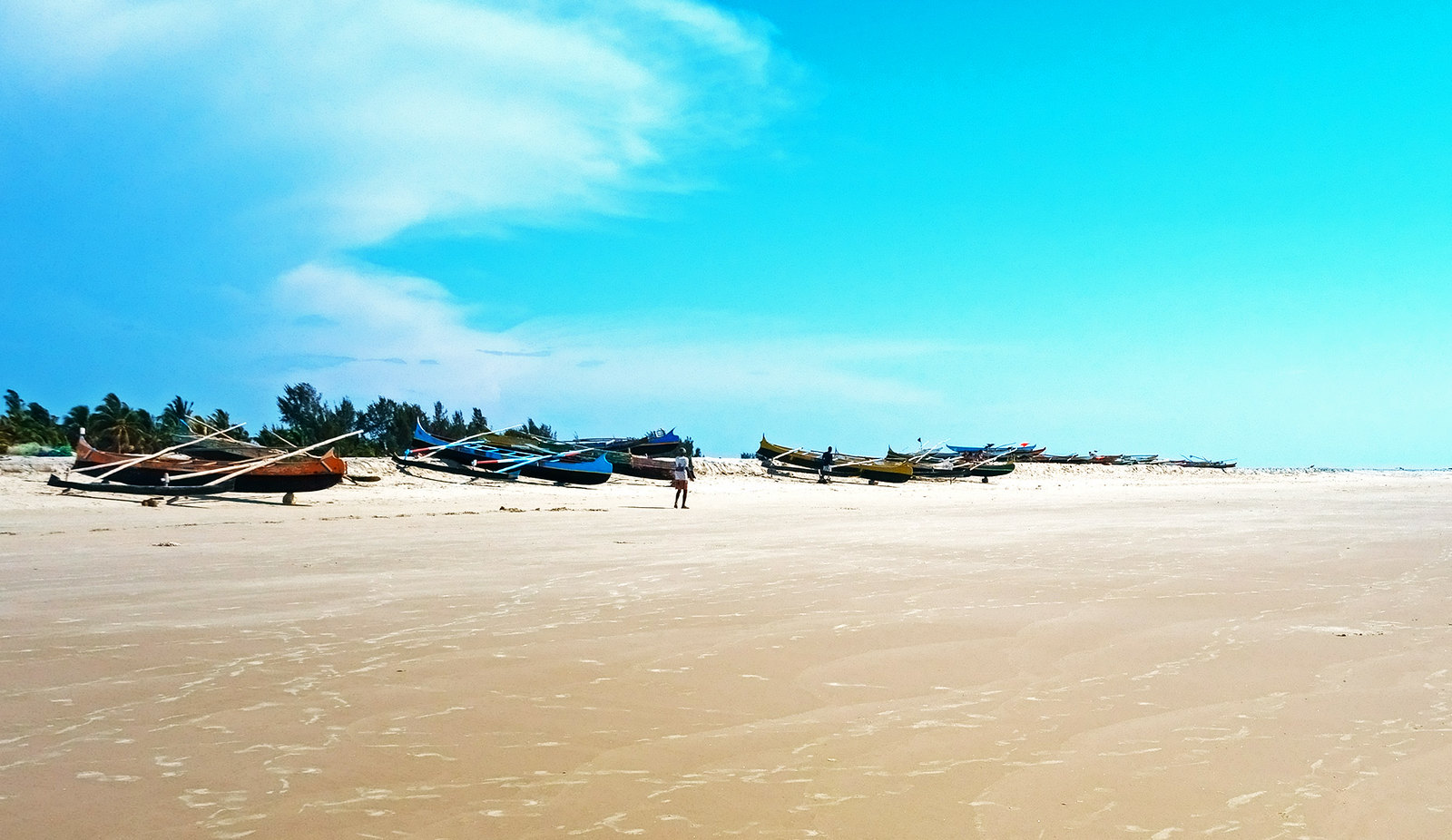
I tramonti sul Canale del Mozambico sono spettacolari. Il cielo si tinge di arancione e rosso mentre le imbarcazioni tradizionali avanzano lentamente all’orizzonte.
Cirque Rouge: i canyon rossi di Mahajanga
A pochi chilometri dalla città si trova uno dei paesaggi geologici più sorprendenti del Madagascar: il Cirque Rouge.
L’erosione ha scolpito nel tempo strati di laterite, argilla e arenaria, creando spettacolari canyon rossi dalle forme quasi irreali.
Al tramonto, i colori diventano particolarmente intensi, trasformando il paesaggio in tonalità di rosso, arancione e oro.
Nonostante la sua bellezza, il Cirque Rouge rimane relativamente sconosciuto, offrendo ai visitatori la sensazione di scoprire un luogo ancora segreto.
Antsanitia e la costa delle mangrovie
A sud di Mahajanga, la zona di Antsanitia offre tranquilli estuari, mangrovie, spiagge e villaggi di pescatori.
Le escursioni in barca permettono di esplorare canali circondati da mangrovie dove uccelli, granchi e pescatori locali coesistono in un’atmosfera calma e tropicale.
All’alba e al tramonto, i riflessi sull’acqua creano alcuni dei paesaggi più fotogenici del nord-ovest malgascio.
Porta d’accesso al Parco Nazionale di Ankarafantsika
A poche ore da Mahajanga si trova il Parco Nazionale di Ankarafantsika, uno dei parchi nazionali più importanti del paese.
Il parco protegge: foreste secche, laghi, canyon, savane, baobab e fauna endemica.
È uno dei migliori posti del Madagascar per osservare il sifaka di Coquerel, lemuri, rettili, uccelli endemici e coccodrilli.
Porta d’accesso al Parco Nazionale Tsingy di Namoroka
Più a sud si trova il Parco Nazionale di Namoroka, famoso per i suoi tsingy calcarei, grotte, canyon e paesaggi selvaggi ancora poco visitati.
Namoroka rimane uno dei parchi più segreti del Madagascar e offre una vera sensazione di avventura nella natura preservata.
Porta d’accesso al Parco Nazionale della Baia di Baly
Mahajanga è anche il principale punto d’accesso al Parco Nazionale della Baia di Baly vicino a Soalala.
Questa regione estremamente isolata protegge la famosa tartaruga angonoka, considerata una delle tartarughe più rare al mondo.
Il parco combina mangrovie, savane, dune costiere e foreste secche in un ambiente ancora in gran parte preservato dal turismo.
Conclusione
Mahajanga è molto più di una semplice città tropicale sul mare. È la grande porta del nord-ovest selvaggio del Madagascar – una regione dove baobab, mangrovie, tsingy, foreste secche e secoli di storia marittima coesistono sotto un clima caldo e luminoso.
Che si tratti di esplorare i canyon rossi del Cirque Rouge, navigare attraverso le mangrovie, scoprire la fauna di Ankarafantsika o avventurarsi nei paesaggi remoti di Namoroka e della Baia di Baly, il viaggiatore scopre qui una delle regioni più ricche e affascinanti del Madagascar.
Il nord-ovest offre un Madagascar più caldo, più lento e più autentico, profondamente legato all’oceano, alla natura e alla storia del Canale del Mozambico.
Periodo migliore per visitare
Il periodo migliore per visitare Mahajanga va generalmente da aprile a novembre. Il clima rimane caldo, soleggiato e relativamente secco – ideale per esplorare i parchi nazionali, le mangrovie e i paesaggi costieri.
Tra dicembre e marzo, le temperature aumentano e le piogge tropicali possono talvolta complicare l’accesso alle regioni più remote come Namoroka o la Baia di Baly.