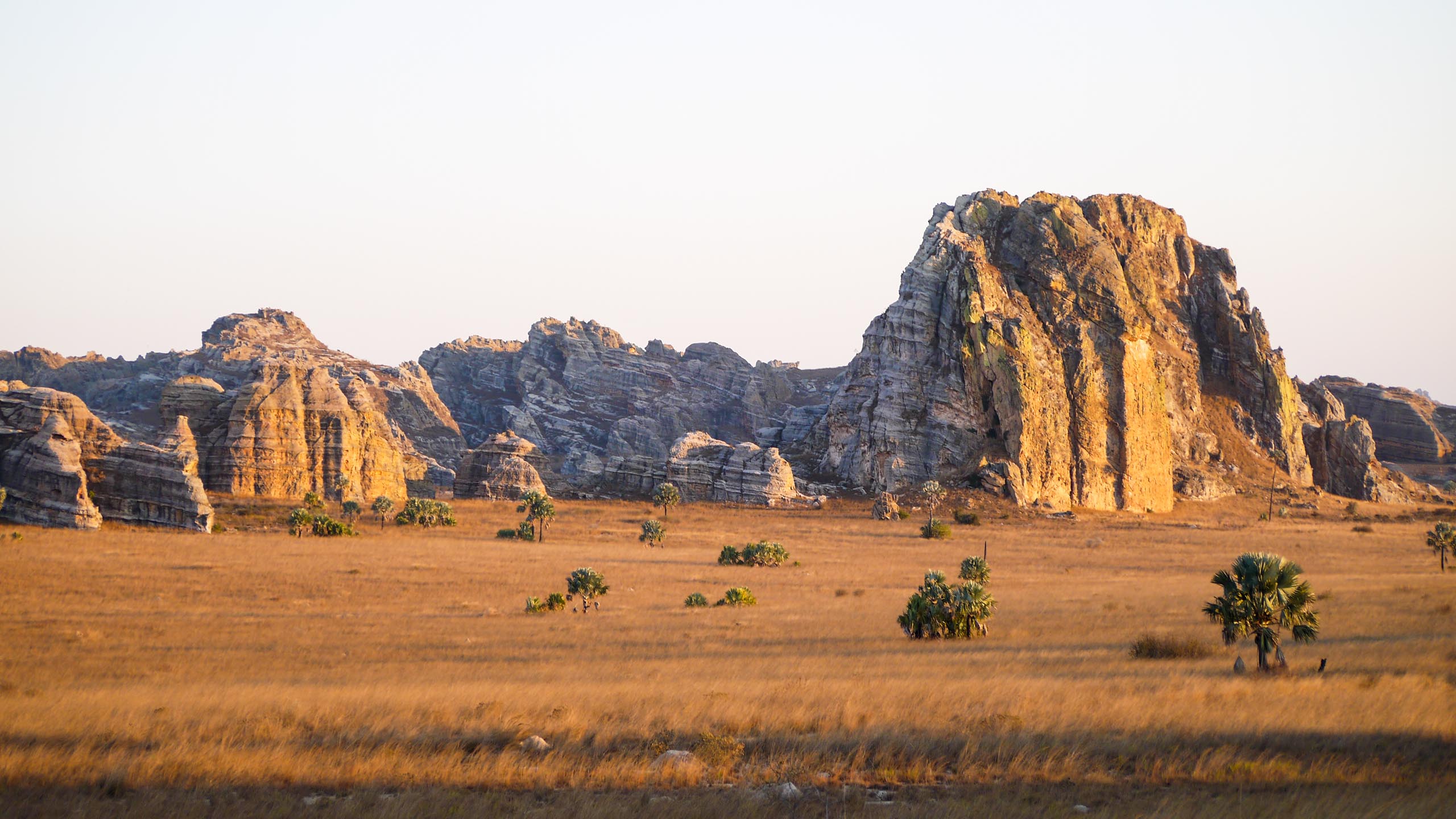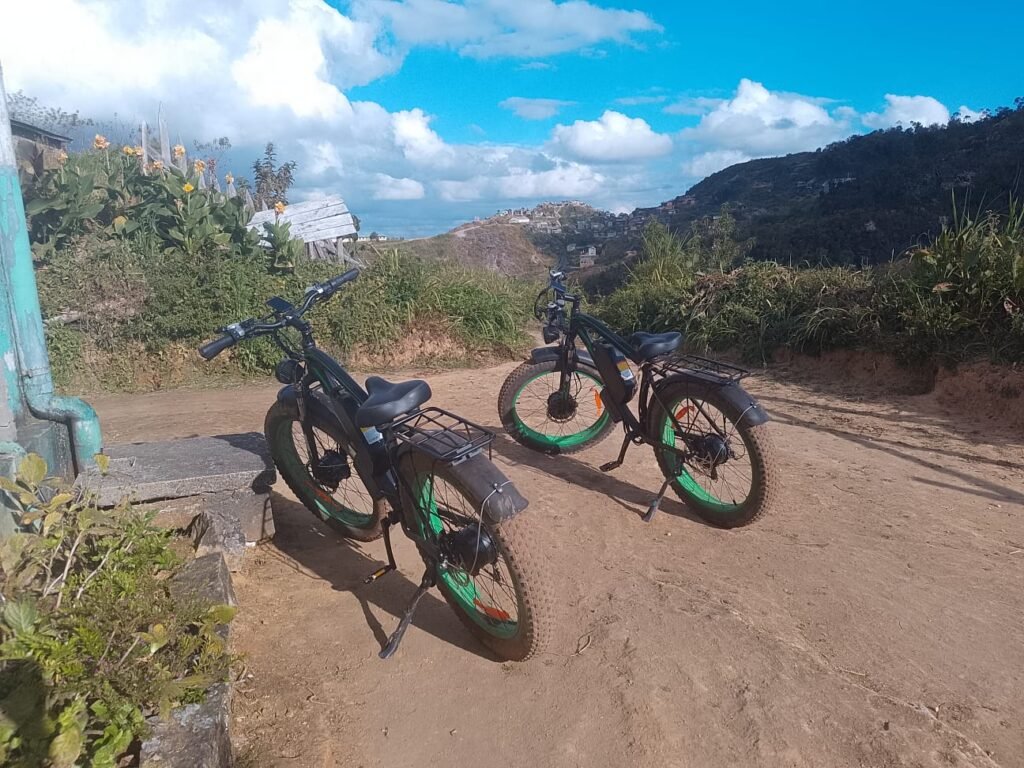
Southern Madagascar on Electric Fat Bicycle
15-day e‑fat bicycle Madagascar: Andasibe, Mantadia, Ranomafana, Isalo, Ifaty — cycling, lemurs, hikes & coastal beaches.
View tour
Nestled in the central highlands of Madagascar, the bustling town of Ambositra is far more than a convenient stop on the Route Nationale 7. Known as the “Capital of Woodcraft,” it is the vibrant cultural and artistic gateway to one of the island’s most unique and remote cultures: the Zafimaniry people. This region, where cool, terraced rice fields blanket rolling hills and the scent of eucalyptus and pine fills the air, offers travelers a profound journey into the heart of Malagasy artisan tradition and breathtaking highland scenery. The true adventure, however, lies beyond the town limits, on the multi‑day treks into the secluded villages of the Zafimaniry, a UNESCO‑recognized culture whose intricate woodcarving knowledge represents a final repository of an ancient Malagasy forest culture. This article explores the artistic soul of Ambositra, delves into the history and symbolism of the Zafimaniry, and provides a detailed guide to embarking on the unforgettable 2‑ to 3‑day treks into their mountainous realm.
Ambositra is the capital of the Amoron’i Mania region and is historically a crossroads for the Betsileo and Merina ethnic groups. Its name aptly means “Where there are many soldiers,” hinting at its strategic location. Today, its battle is one of cultural preservation, fought with chisels and raw talent.
The town’s identity is inextricably linked to wood. Dozens of workshops and artisan boutiques line its streets, their windows displaying a stunning array of handmade products. Visitors can watch master craftsmen and apprentices at work, transforming blocks of precious woods like rosewood, ebony, and palissandre into intricate marquetry, sculptures, and furniture. The skill is palpable, passed down through generations. The Centre d’Artisanat is an essential stop to appreciate the quality and diversity of the work, from detailed scale models of classic cars and airplanes to elegant chess sets and ornate picture frames.
While wood is king, Ambositra offers other cultural gems. The town serves as an excellent introduction to Betsileo culture, renowned for its sophisticated rice‑terrace engineering. The surrounding landscapes are a patchwork of meticulously stepped paddies, a living testimony to agricultural ingenuity. A short drive from town leads to small, traditional villages where this way of life can be observed firsthand. The local market is a vibrant, chaotic spectacle of colors and smells, offering everything from fresh produce and spices to handmade baskets and textiles.
For travelers, Ambositra functions as an essential logistical base before and after a trek. This is where you arrange guides, purchase last‑minute supplies, and acclimatize to the highland climate. Several reputable tour operators and hotels in and around town specialize in organizing guided treks to the Zafimaniry villages, ensuring a safe, respectful, and insightful experience.
The journey from Ambositra into the Zafimaniry territory is a journey back in time. The Zafimaniry are a sub‑group of the Betsileo who retreated into the remote, forested mountains east of Ambositra several centuries ago, seeking refuge from political upheavals and deforestation under the Merina kingdom. Their isolation preserved a unique culture that UNESCO proclaimed a Masterpiece of the Oral and Intangible Heritage of Humanity in 2003.
The Zafimaniry are the last practitioners of a distinctive woodcraft tradition that once flourished across Madagascar’s forested highlands. Their entire worldview is expressed through wood. Every man is a carpenter, and their knowledge covers the whole process—from selecting specific tree species for their symbolic and practical properties, to elaborate joinery techniques that avoid nails or screws.
Their architecture is profoundly symbolic. Traditional houses are masterpieces built entirely in wood, held together solely by perfectly fitted pegs and tenons. Exterior walls, doors, shutters, and sometimes even furniture are covered in carved motifs, each with a precise meaning:
This symbolic language repeats itself on everyday objects—plates, tools, chests, and the famous Alando decorative panels. Visiting Zafimaniry villages is like walking through an open‑air museum of living symbols, where nothing is merely decorative.
Embarking on a trek to the Zafimaniry villages is the highlight of any visit to Ambositra. It is physically demanding but immensely rewarding, combining spectacular highland scenery with deep cultural immersion. Treks range from a challenging one‑day hike to more complete 2‑ or 3‑day itineraries, which allow for a slower rhythm and genuine encounters.
A 2‑ or 3‑day trek is strongly recommended over a rushed day trip. Extra time lets you reach more authentic, less‑visited villages deeper within the territory, such as Fempina, Sakaivo, or Ifasina. You swap the role of day‑tripper for that of guest. Nights are spent in simple homestays or basic camps, sharing meals with local families, waking to the sound of roosters and children, and watching life unfold at dawn and dusk.
A typical 3‑day itinerary begins with a 4×4 transfer (1–2 hours) from Ambositra into the mountains, where the road ends and the footpath begins. Day 1 covers 3–5 hours of hiking through pine plantations, highland ridges and small clearings, ending in a first Zafimaniry village, where you meet artisan families and see the carving process from tree to finished panel. Day 2 is a longer traverse (5–7 hours) linking villages along ridge paths and through sacred groves, with time to learn about medicinal plants and local taboos. Day 3 is a gentler morning in the village—perfect for buying carvings directly from their makers—followed by the walk back to the road and a late‑afternoon return to Ambositra.
A local guide is mandatory—not only for navigation, but to ensure respectful interaction with communities and observance of local fady (taboos). Serious operators such as Ivato River Lodge, just outside Ambositra, specialize in these treks, often offering better logistics and fairer village agreements than ad‑hoc arrangements.
For a Zafimaniry trek, bring broken‑in hiking boots, warm layers (nights at altitude are cold), a good rain jacket, sleeping bag, headlamp, water bottle with purification tablets or filter, cash for handicrafts, and an open, flexible attitude. Porters can be hired to carry most of your gear, providing valuable income to local families.
The Zafimaniry face mounting pressures: deforestation threatens key tree species and younger generations are tempted by urban work. Responsible tourism is one of the strongest tools for preservation. By traveling with a reputable operator, paying fair guide and porter fees, staying in village homestays, and purchasing carvings directly from artisans, you help turn cultural continuity into a viable livelihood rather than a nostalgic burden.
If Ambositra and the Zafimaniry represent the last great expression of highland forest culture, Marolambo, far to the east, is its lush, untamed mirror in the lowland rainforest. Reached only by rough tracks, boat, or on foot, this remote district sits on the edge of huge forest blocks bordering Parc National de Marolambo and other protected areas.
Where Zafimaniry villages are carved in wood and wind, Marolambo’s hamlets are wrapped in dense green—cliffs dripping with moss, rivers tumbling through gorges, and canopies alive with lemurs and birds. Multi‑day expeditions from Marolambo lead into some of Madagascar’s least visited rainforests, where conservation projects work hand‑in‑hand with local communities to protect remaining habitat.
Combining Ambositra–Zafimaniry with a longer, expedition‑style journey to Marolambo links two sides of Madagascar’s forest story: the intricate, symbolic craft of a people who once lived within the highland woods, and the raw, still‑standing rainforest that continues to shape lives in the island’s remote east.
Ambositra, the Zafimaniry highlands, and the far‑off forests of Marolambo offer a form of travel that engages mind, body, and spirit. It begins amid the creative hum of a highland town where wood becomes art, continues along mountain paths to villages where every beam is inscribed with meaning, and can extend onward to rainforests where the ancient Malagasy forest still breathes.
This is not a passive vacation, but an active, meaningful journey into the living soul of Malagasy craftsmanship and forest culture. To walk these paths, share these homes, and listen to these stories is to witness resilience in real time—and to leave with a lasting respect for communities that continue, against all odds, to carve their future from wood and wilderness.
Visit from March to October for cooler, drier weather, firmer trails, safer river levels and the best conditions for multi‑day trekking in both the highlands and the eastern rainforests.