
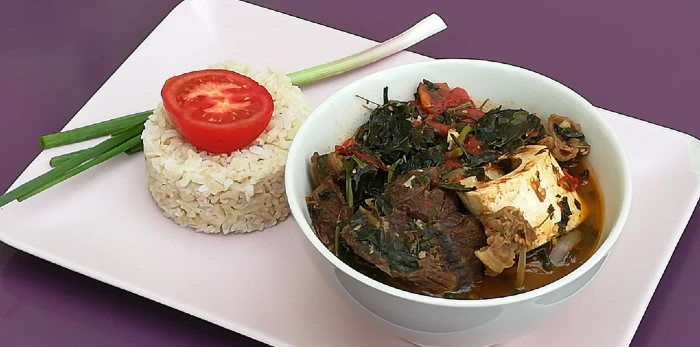
The Indian Ocean hides a culinary treasure trove that is often overlooked by the global gastronomic radar. Madagascar, the “Red Island,” offers a cuisine as diverse and fascinating as its wildlife. Madagascar traditional food is not just about sustenance; it is a vivid tapestry of history, woven from the migrations of Austronesian sailors, East African farmers, Arab traders, and French colonists.
Long before European colonization, the people of Madagascar were cultivating crops and raising livestock, creating a food culture deeply rooted in African and Asian traditions. With time, French influence introduced new ingredients and techniques (such as baguettes and vanilla sauces), shaping a unique cuisine that blends bold island flavors with a touch of European flair.
For the adventurous traveler, eating in Madagascar is a journey of discovery. The dishes are vibrant, hearty, and built around local staples like rice (vary), cassava, and zebu. Spices such as ginger, cloves, curry, and garlic give each meal its distinct personality.
If you are planning a trip or simply want to bring the flavors of the island into your kitchen, here is a deep dive into Madagascar traditional food and the 7 dishes you will love to discover.
The Heart of the Table: Understanding Vary (Rice)
Before diving into specific dishes, one must understand the foundation of all Malagasy cuisine: Rice. In Madagascar, the phrase “to eat a meal” (mihinam-bary) literally translates to “to eat rice.”
Rice is cultivated on terraces throughout the central highlands and is eaten for breakfast, lunch, and dinner. It is the canvas upon which all other flavors are painted. The side dishes that accompany the rice are collectively called Laoka. The Laoka provides the flavor, usually consisting of a sauce, vegetables, and meat, while the rice provides the sustenance.
![Image Placeholder: A close-up of a large mound of steaming white rice served with a side of stewed vegetables. Alt Text: Vary, the staple white rice of Madagascar served with Laoka.]
When you explore Madagascar traditional food, you aren’t just eating dishes; you are experiencing the harmony between the neutral, fluffy rice and the savory, spicy, or tangy Laoka.
1. Zebu: The Sacred Cattle of the Island
You cannot talk about Malagasy cuisine without mentioning the Zebu. This distinct breed of humped cattle is more than just a food source; it is a symbol of wealth, prestige, and cultural identity in Madagascar.
In the culinary world, Zebu meat is leaner than standard beef and possesses a rich, intense flavor profile. While it appears in stews and curries, the definitive way to experience it is Kitoza.
The Kitoza Experience
Kitoza is one of the most popular preparations of Zebu. It dates back centuries as a method of preservation. Strips of zebu meat are cured with salt and spices, then traditionally hung to dry in the sun or smoked over a fire. Today, in restaurants and homes, the meat is often marinated and then grilled or pan-fried to a smoky, chewy finish.
![Image Placeholder: A plate of Kitoza (thin strips of fried/grilled beef) served with a fried egg and rice. Alt Text: Kitoza, a traditional Malagasy breakfast dish made of fried zebu meat.]
How to eat it: It is widely considered a breakfast favorite, often served with a heaping mound of rice (or rice porridge called vary sosoa) and typically topped with a fried egg. The yolk mixes with the smoky meat and rice, creating a rich, savory start to the day that packs flavor and protein.
2. Ravitoto: Comfort Food with an Earthy Kick
If you ask a local what dish reminds them of home, the answer is often Ravitoto. Visually, it can be surprising to Western tourists—it is a dark green, almost black mash—but the taste is undeniable.
Ravitoto (pronounced rav-toot) is made from cassava (manioc) leaves. These leaves are pounded with a large mortar and pestle until they form a pulp. This pulp is then slow-cooked for hours with garlic, onions, and generous amounts of oil.
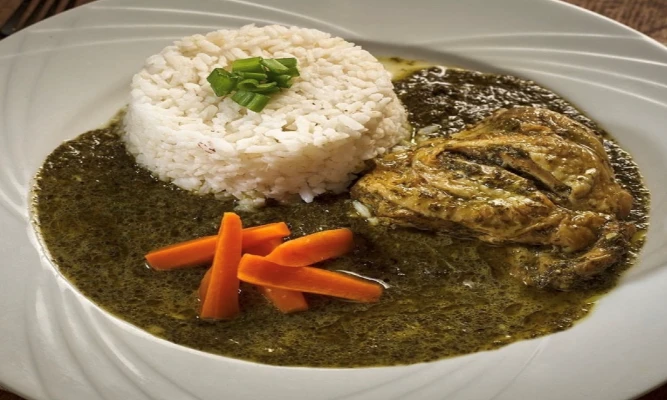
The Flavor Profile
To add depth, the leaves are almost always cooked with chunks of pork or zebu meat. The fat from the meat softens the natural bitterness of the cassava leaves.
- Taste: Earthy, slightly bitter (similar to spinach or kale but denser), and savory.
- The Perfect Pairing: Because Ravitoto is rich and heavy, it is traditionally served with a side of Lasary—a bright, acidic condiment made of pickled vegetables (usually carrots, green beans, or cabbage) in vinegar and curry powder. The acidity cuts through the richness of the pork and leaves, creating a perfectly balanced bite.
3. Mofo Anana & Mofo Baolina: The Street Food Culture
To truly know a country, you must taste its street food. In Madagascar, the mornings are filled with the scent of frying dough and brewing coffee. “Mofo” translates to “bread” or “cake,” and it covers a wide variety of fried treats sold at roadside stands (known as Gargottes).
![Image Placeholder: A street food vendor in Madagascar frying fritters in a large pan, or a close-up of golden brown fritters. Alt Text: Mofo Anana and Mofo Baolina, popular street food snacks in Madagascar.]
Mofo Anana (The Savory Choice)
Mofo Anana literally means “bread with leafy greens.” These are savory fritters made by mixing a light batter with chopped greens—often watercress, chayote shoots, or cassava leaves—and spices like tomatoes and onions. They are dropped into hot oil until they are golden brown and crispy on the outside, but soft and steaming on the inside. They are often eaten with a dash of sakay (Malagasy chili paste).
Mofo Baolina (The Sweet Treat)
On the sweeter side, you have Mofo Baolina. These are round dough balls, similar to doughnut holes but denser. They are usually made with rice flour, flour, sugar, and sometimes a hint of vanilla.
- Traveler Tip: Look for street vendors in the early morning. Grab a paper bag filled with hot Mofo Baolina and a cup of sweet Malagasy coffee mixed with condensed milk. It is the ultimate fuel for a day of exploring.
4. Koba Akondro: The Sweet Snack of the Highlands
Driving between cities in Madagascar, you will inevitably see roadside vendors selling cylindrical packages wrapped in green banana leaves. This is Koba Akondro, simply referred to as Koba. It is the ultimate Malagasy confection.
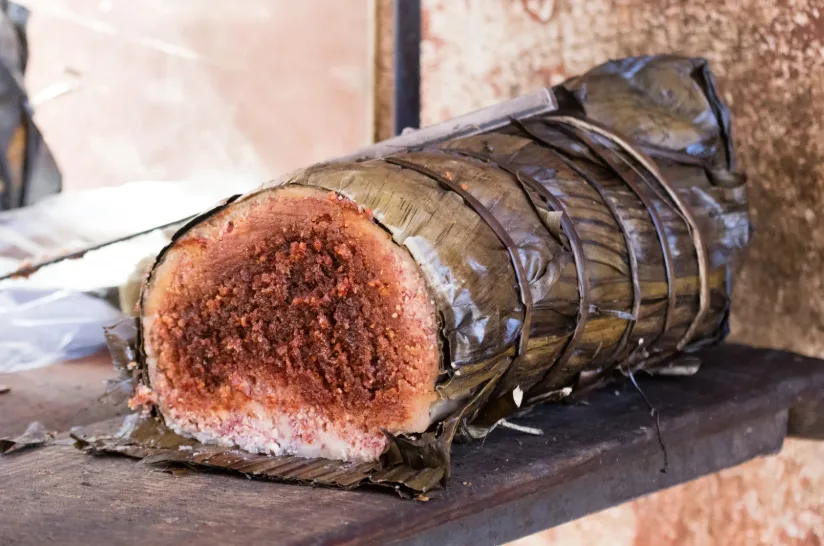
How it is Made
Koba is a testament to the island’s love for peanuts and bananas. A batter is made from rice flour and honey (or sugar), which forms the outer layer. The center is packed with a mixture of mashed bananas and ground peanuts. The whole thing is wrapped tightly in banana leaves and steamed for hours (sometimes up to 48 hours in traditional methods) until the sugar caramelizes and the mixture sets.
The Taste
When you buy a slice, it looks like a dark cake with a lighter rim. It is dense, sticky, nutty, and incredibly rich. It pairs perfectly with the bitterness of black coffee or tea. While sold in markets across the island, it is most popular during festivals and as a roadside snack for travelers.
5. Akoho sy Voanio: A Tropical Coastal Delight
Madagascar is a massive island, and its cuisine changes as you move from the highlands to the coast. Akoho sy Voanio (Chicken in Coconut Milk) represents the tropical, coastal influence of the country.
While the highlands rely heavily on pork and beef, the coastal regions (like Nosy Be or Sainte Marie) utilize the abundance of coconuts.
Simplicity at its Best
This simple yet delicious dish features chicken pieces simmered slowly in fresh coconut milk with garlic, ginger, tomatoes, and onions.
- Why it works: The coconut milk reduces down to create a creamy, velvety sauce that clings to the chicken. The ginger adds a warm heat, while the tomato provides a touch of acidity.
- Serving: It is typically served over white rice. The mild sweetness of the coconut makes this a hit with travelers who might be wary of spicy foods. It is a comforting example of Malagasy home cooking at its finest.
6. Cassava Leaf Curry: The Vegetarian Staple
While Malagasy food is heavy on meat, vegetables play a massive role. Cassava (Manioc) is the second most important crop after rice. While the root is eaten boiled or fried, the leaves are a nutritional powerhouse.
Cassava Leaf Curry differs slightly from Ravitoto. While Ravitoto is mashed, the curry version often keeps the leaves slightly more textured or uses coconut milk to create a sauce.
The leaves are finely chopped and stewed with yellow curry powder, onions, garlic, and ginger. While often cooked with pork or dried shrimp for flavor, it is frequently available as a vegetarian side dish. It is rich in iron and vitamins, and the soft texture of the leaves makes it a comforting accompaniment to dry rice. It showcases the Indian influence on the island through the use of curry spices.
7. Romazava: The National Dish
If you only eat one meal in Madagascar, let it be Romazava. Considered the national dish of Madagascar, it was historically a dish prepared for royalty (the Merina monarchs).
Romazava is a pot-au-feu style stew, traditionally made with beef and pork, but the star of the show is the greens. It uses a specific combination of leafy vegetables known as brèdes.
The “Electric” Secret Ingredient
The defining ingredient in a true Romazava is Brèdes Mafana (Acmella oleracea). This yellow flowering plant contains spilanthol, a compound that creates a unique sensory experience.
- The Sensation: When you eat the flowers or leaves of the Mafana, it creates a tingling, numbing, “electric” sensation in the mouth, somewhat similar to Sichuan peppercorns, but more effervescent. It alters the flavor of the water and the meat, adding a peppery, citrusy kick that clears the sinuses.
It is a warming, hearty stew packed with local character and is absolutely essential for understanding the palate of Madagascar.
Bonus: The Malagasy Spice Cabinet
To understand why Madagascar traditional food tastes the way it does, you must recognize the island’s status as a spice exporter.
- Vanilla: Madagascar produces nearly 80% of the world’s vanilla. You will find it in desserts, but also in savory sauces for fish and poultry (Vanilla Duck is a high-end specialty).
- Peppercorns: From wild Voatsiperifery pepper to pink peppercorns, the heat in Malagasy food is fragrant and woodsy.
- Cloves and Turmeric: Widely used in coastal curries.
Conclusion: A Culinary Journey Awaits
Food in Madagascar is more than a meal—it’s a window into the island’s history, culture, and way of life. It tells the story of trade routes, of agricultural ingenuity, and of a people who celebrate the land they live on.
Whether you are sampling roadside mofo at sunrise, savoring creamy coconut-simmered chicken by the beach, or diving into a tingling bowl of Romazava in the highlands, each dish offers a connection to the soul of the island.
At Travelers of Madagascar, we believe the best way to experience a country is to taste it. Our tours are designed to take you deep into the landscapes, communities, and flavors that define this incredible island. We don’t just show you the Lemurs; we show you the markets, the kitchens, and the tables where culture happens.
Ready for a Madagascar Vacation? Come hungry, and let us guide you through the flavors of the Red Island.