Andohahela National Park: A Unique Crossroads Between Tropical Rainforest and Spiny Desert
Located in the extreme southeastern part of Madagascar, in the Anôsy region,
Andohahela National Park is one of the island’s most remarkable
natural treasures. It represents an exceptional ecological crossroads where
three major ecosystems converge: the humid tropical rainforest of the Anosy
mountain range, a transitional dry forest, and the xerophytic spiny bush that
characterizes southern Madagascar.
This rare mosaic of landscapes creates a striking contrast within a relatively
compact area, making Andohahela one of the very few national parks in Madagascar
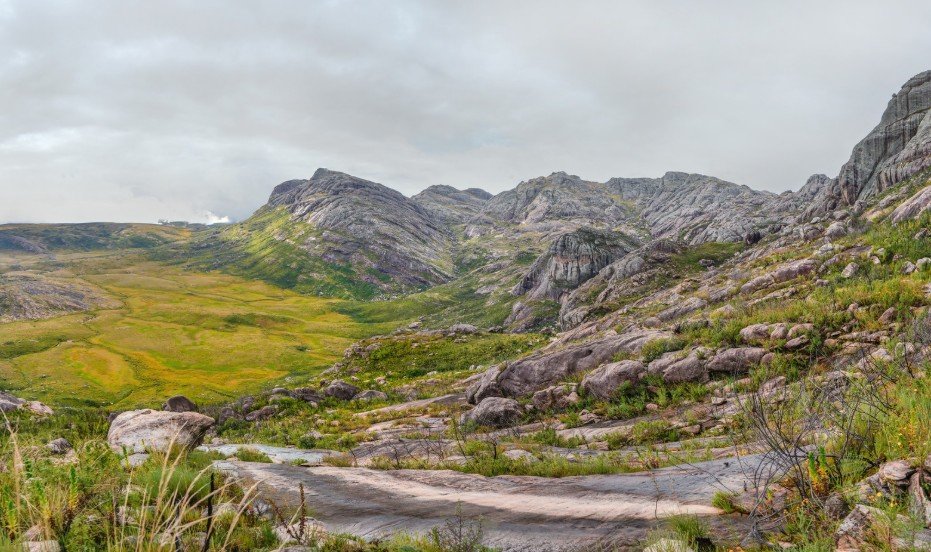
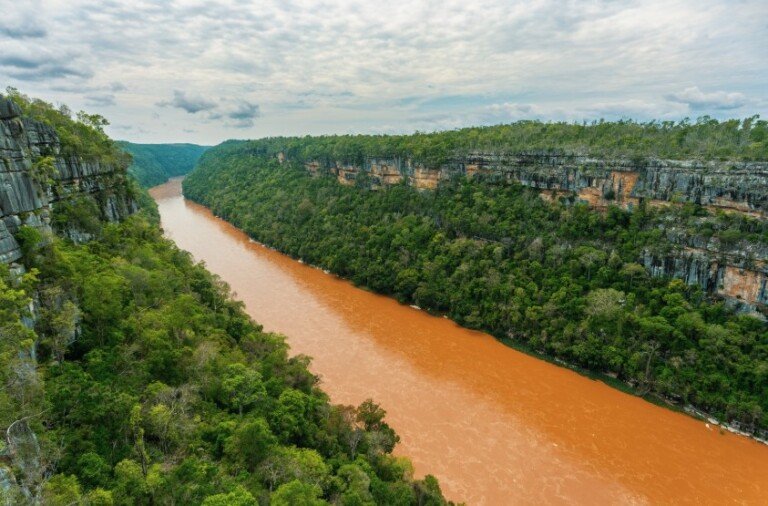
to offer such a wide range of environments. From steep mountain peaks and deep
canyons to lush rainforests, endemic palm groves, and sun-scorched arid plains,
the park shelters extraordinary biodiversity. Still largely untouched by mass
tourism, Andohahela is an ideal destination for travelers seeking an authentic,
wild, and unspoiled side of southern Madagascar.
1. History and Ecological Importance
Established in 1939, Andohahela National Park is one of the oldest protected
areas in Madagascar. Since 2007, it has been listed as a UNESCO World Heritage
Site as part of the Rainforests of Atsinanana, in recognition of its critical
role in preserving endemic species and regulating regional climate patterns.
Covering more than 76,000 hectares, the park spans both the humid eastern slopes
and the arid western plains. This unique geographic position, straddling two
radically different climatic zones, explains the exceptional diversity found
within its boundaries. The mountains, rising to over 1,500 meters in altitude,
capture moisture from the Indian Ocean, sustaining dense tropical rainforest.
Just a few kilometers away, dry winds shape a near-desert environment dominated
by drought-adapted vegetation.
This abrupt ecological transition fascinates scientists, who consider
Andohahela a natural laboratory for studying adaptation to extreme and
contrasting environmental conditions.
2. Three Major Ecosystems
Humid Tropical Rainforest (Parcel 1 – Manantantely)
Located on the eastern slopes of the mountain range, this area is characterized
by lush vegetation, including giant ferns, towering trees, rare orchids, and
typical rainforest plant species.
The region receives high rainfall and is crossed by numerous rivers and
waterfalls. It is the most accessible and most frequently visited section of
the park.
Transitional Dry Forest (Parcel 2 – Andohahela)
Situated at the heart of the park, this zone marks the transition between humid
forest and semi-arid vegetation. The flora is remarkably diverse, combining
rosewood trees, eucalyptus, pachypodiums, and palms.
One of the park’s botanical symbols is the endemic Dypsis decipiens,
known as the trihedral palm, which grows almost nowhere else in the world.
Spiny Xerophytic Forest (Parcel 3 – Ihazofotsy)
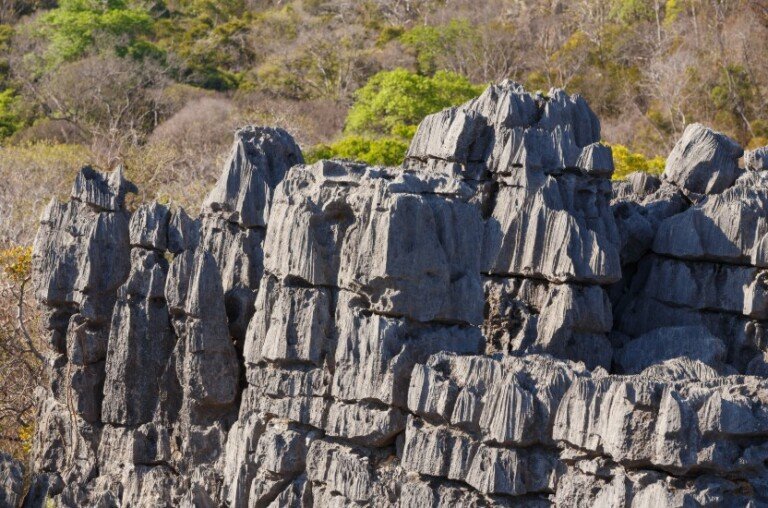
In the western part of the park, the landscape shifts dramatically into a dry,
thorny environment dominated by didiereaceae, aloes, giant euphorbias, and
shrubs with swollen trunks adapted to water storage.
This region is significantly hotter and drier, with temperatures often exceeding
40°C during the hot season, making it one of the most iconic landscapes of
southern Madagascar.
3. Exceptional Biodiversity
The diversity of habitats within Andohahela supports an impressive range of
wildlife.
Mammals
The park is a sanctuary for several lemur species, including the black-and-white
ruffed lemur, ring-tailed lemur, Verreaux’s sifaka, and the brown mouse lemur,
one of the smallest primates in the world.
Mongooses, tenrecs, and endemic bat species are also present.
Birdlife
With more than 130 recorded bird species, Andohahela is a prime destination for
birdwatching. Species include the crested coua, Madagascar thrush, Madagascar
kestrel, and olive-backed sunbird.
The park’s ecological transition allows species from different climatic zones
to coexist within a limited area.
Reptiles and Amphibians
Typical southern Malagasy reptiles such as panther chameleons, day geckos,
non-venomous snakes, and radiated tortoises inhabit the park. Amphibians are
mainly concentrated in the humid eastern parcel.
Flora
More than 1,000 plant species have been recorded, many of them endemic,
including orchids, rare palms, succulents, and giant forest trees.
4. How to Get to Andohahela National Park
Access to the park depends on which parcel you plan to visit.
Main Gateway: Fort-Dauphin (Tôlanaro)
Fort-Dauphin is located about 40 km from Parcel 1 and can be reached by domestic
flight from Antananarivo or by long overland journeys from southern Madagascar.
From Fort-Dauphin, relatively good dirt roads lead to the eastern entrance of
the park.
Access to the Parcels
Parcel 1 is easily accessible, usually within one hour by vehicle. Parcel 2
requires a 4×4, especially during the rainy season. Parcel 3 is the most remote
and challenging to reach, and local guides or experienced drivers are strongly
recommended.
5. Best Time to Visit
The best time to visit Andohahela National Park is during the dry season, from
April to November, when trails are accessible and weather conditions are more
comfortable.
During the rainy season (December to March), heavy rainfall can make roads
impassable, while extreme heat affects the western parcels.
6. Highlights of the Park
Key attractions include the Manantantely waterfalls, the spiny forest of
Ihazofotsy, intact mountain valleys, and the rare trihedral palms that symbolize
the park’s unique flora.
7. Activities and Experiences
Visitors can enjoy hiking, wildlife observation, botanical exploration,
cultural encounters with Antanosy villages, and photography across highly
contrasting landscapes.
8. Accommodation and Services
Fort-Dauphin offers a range of accommodations, including hotels, guesthouses,
lodges, and eco-lodges. Near the park, options are more limited but may include
basic camps or community-run lodgings.
A licensed guide is mandatory and essential for navigation, species
identification, and safety.
9. Practical Tips
Wear sturdy hiking shoes, carry sufficient water, protect yourself from the
sun, respect local customs, and use a 4×4 vehicle for the more remote parcels.
10. Why Visit Andohahela National Park?
Andohahela is one of the very few places on Earth where such a dramatic ecological
transition can be experienced over such a short distance. It combines lush
rainforests, rugged mountains, arid spiny deserts, rich endemic wildlife, and
living cultural heritage.
Far from crowded tourist routes, Andohahela offers a true sense of exploration
and a deep connection with Madagascar’s unique geography and natural history.